
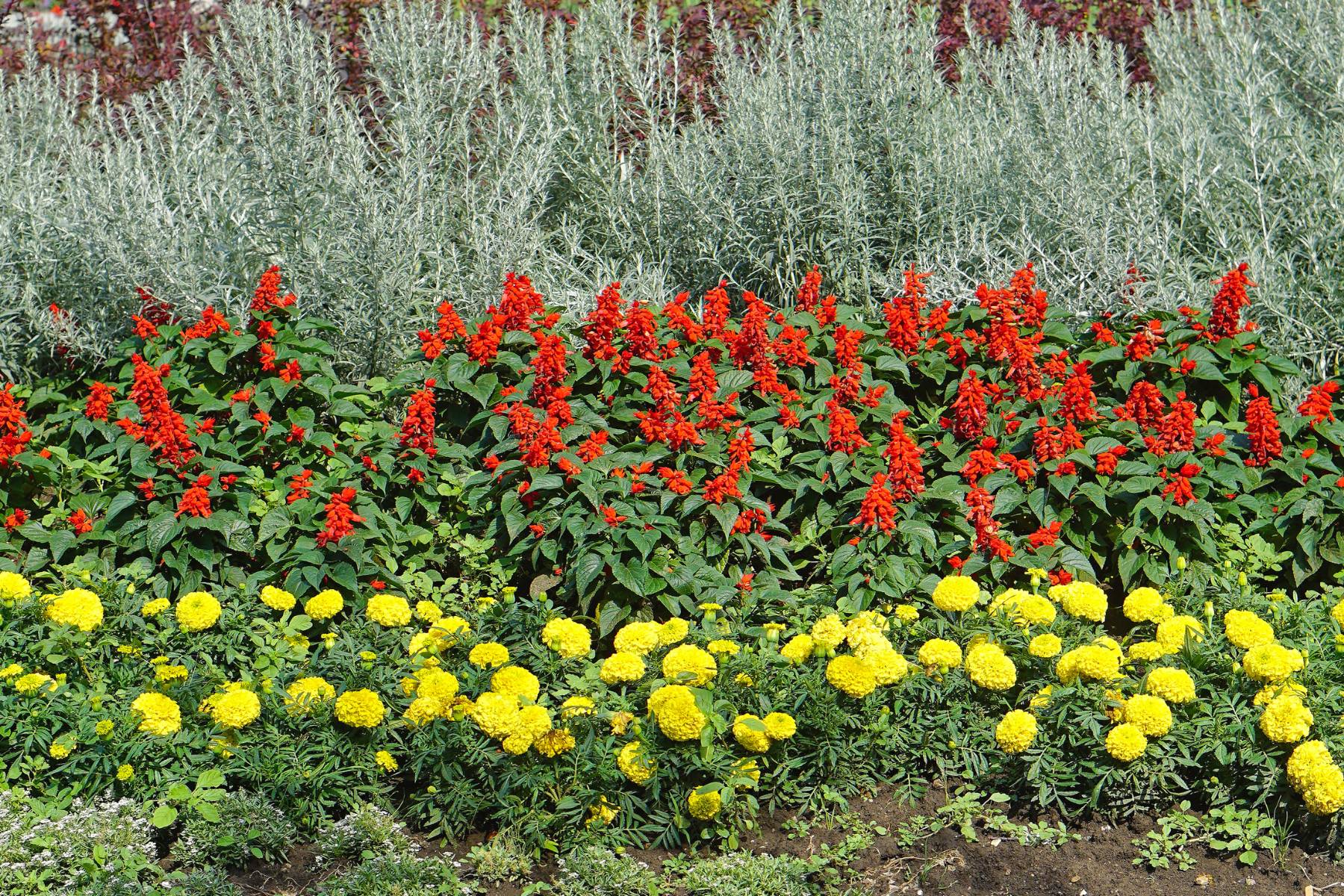
Coastal Garden Maintenance in Cape Cod, MA: How to Protect Plants from Salt and Wind
Gardening along the shoreline can create stunning landscapes, but it also presents unique challenges. In Cape Cod, MA, conventional planting advice often falls short due to the specific conditions of coastal gardens, which are exposed to salt spray, strong winds, dry sandy soil, and quick moisture loss. Effective coastal garden maintenance in Cape Cod begins with a key mindset shift: instead of forcing delicate plants to endure harsh conditions, create a garden that suits them. That’s the core of smart planning when you want to protect plants from salt spray and keep your landscape looking healthy through the seasons.
Key Reasons Coastal Landscapes Require Special Care
Along the shoreline, salt doesn’t just sit on leaves. It can dry plant tissue, burn edges, and build up in the root zone over time. Wind worsens the problem by increasing water loss, so plants may look stressed even when the ground still has moisture. In Barnstable, MA, sandy soil adds another challenge because it drains quickly and doesn’t hold nutrients well. That’s why effective coastal plant protection techniques always involve selecting the right plants, improving the soil, and providing seasonal care. This comprehensive approach also serves as the foundation for wind damage garden protection that Cape Cod homeowners can rely on.
How To Protect Plants From Coastal Wind
If you’re wondering how to protect plants from coastal wind, a solid wall may not be the best solution. Hard barriers can create harsh air currents around garden beds. A more effective approach is to soften exposure and create sheltered pockets through layered planting, careful grading, and strategically placed screens. This is where experienced landscape designers and landscapers excel. They analyze factors such as sunlight, airflow, drainage, and salt exposure before positioning shrubs, perennials, and specimen plants. This method is one of the best ways to protect plants from salt air and wind, and it’s an essential aspect of long-term landscaping services for coastal properties.
Why Plant Selection Is Crucial for Coastal Gardens
In Falmouth, MA, plant selection often decides whether a garden becomes a constant repair job or a resilient outdoor space. For native coastal plants, Massachusetts homeowners should consider dependable options, including:
- Bayberry for structure, screening, and salt tolerance
- American beach grass for exposed areas and sandy edges
- Beach plum for hardy seasonal interest
- Chokeberry for strong color and better coastal performance in the right spot
These are practical choices for anyone looking for low-maintenance coastal plants and a clearer answer to how to maintain a garden in Cape Cod’s coastal climate. The goal is to use plants that already know how to live with wind, lean soil, and salt exposure.
Essential Maintenance Tips for Coastal Gardens
The best landscape maintenance plan is steady, simple, and seasonal. A few smart habits go a long way:
- Rinse foliage with fresh water after salt-heavy weather to help wash residue off leaves
- Add compost and organic matter to improve water-holding capacity in sandy soil
- Mulch beds to reduce drying and protect roots
- Prune for structure, not just shape, so plants catch less wind
- Use burlap screens or living windbreaks where exposure is strongest
- Inspect irrigation often, because coastal beds dry out faster than many homeowners expect
These coastal garden care tips support the best maintenance practices for coastal gardens while also showing how to prevent wind damage in coastal landscaping without overworking the property. For ongoing care, many homeowners rely on professional seasonal maintenance to keep landscapes performing consistently.
Build a Garden That Thrives: Coastal Landscape Design & Maintenance for Massachusetts
A healthy coastal landscape doesn’t happen by luck. It takes informed design, resilient plant choices, and the right maintenance rhythm through the year. Outerland brings that local knowledge to properties across Massachusetts with full-service grounds management, gardening, landscape design and construction, and seasonal maintenance tailored to each property’s needs. If you want a garden built for coastal conditions, not constant recovery, we are ready to help. Contact us today to discuss how we can transform your outdoor space!
Frequently Asked Questions
Coastal garden maintenance in Cape Cod, MA, must account for challenges such as salt spray, strong winds, and sandy soil. These conditions can dry out plants and leach nutrients, making careful design, plant selection, and upkeep essential.
To protect plants from salt spray and salt air, start by rinsing foliage with fresh water after storms. Mulching can help shield roots, and improving sandy soil with compost is beneficial. Choosing salt-tolerant plants and positioning them wisely can also reduce stress from salt spray and salt air.
Some of the best salt-tolerant, low-maintenance plants for Cape Cod coastal gardens include bayberry, American beach grass, beach plum, and chokeberry. These native plants thrive in windy conditions, poor soil, and salty air.
To protect plants from coastal winds without erecting a solid wall, use layered planting. Start with grasses, then shrubs, and finally evergreens to naturally slow the wind. Additionally, burlap screens can help, and shaping plants to improve their structure can protect them from wind damage year-round.
Outerland’s seasonal coastal landscape maintenance on Cape Cod includes tasks such as general upkeep, gardening, pruning, mulching, seasonal cleanups, and irrigation system management. The aim is to promote healthier plants and maintain consistent curb appeal.
Related Posts

Landscape Maintenance Schedule for Cape Cod Homes: A Month-by-Month Guide
Keeping a Cape Cod landscape healthy and presentable throughout the year takes more than scheduling a spring cleanup and mowing…
Planning a Patio & Outdoor Kitchen on Cape Cod: Design, Cost & Construction Considerations
A patio and outdoor kitchen can turn a backyard into a true extension of the home. Instead of simply creating…

How Much Does Landscape Design Cost on Cape Cod?
The cost of landscape design on Cape Cod depends on the size of the property, complexity of the plan, site…