

Landscape Maintenance Schedule for Cape Cod Homes: A Month-by-Month Guide
Keeping a Cape Cod landscape healthy and presentable throughout the year takes more than scheduling a spring cleanup and mowing through summer. Lawns, gardens, shrubs, irrigation systems, planting beds, and outdoor living areas all have different needs as the seasons change.
A landscape maintenance schedule provides a framework for handling those needs at the right time. Some tasks happen weekly during periods of active growth. Others may only be necessary during a seasonal transition or when conditions on the property call for attention.
For homeowners who prefer ongoing professional oversight, Outerland provides landscape maintenance throughout Cape Cod with programs tailored to individual properties. The following guide provides a useful starting point for understanding how landscape priorities typically change throughout the year.
What Should a Cape Cod Landscape Maintenance Schedule Include?
A comprehensive maintenance plan considers the entire property rather than treating the lawn, gardens, shrubs, and irrigation as unrelated features.
Depending on the landscape, ongoing care may involve lawn mowing and turf management, pruning, garden care, mulching, edging, weed management, irrigation monitoring, property cleanup, and regular inspections. More detailed planting areas may also benefit from specialized gardening services focused on the health and appearance of garden beds.
The exact schedule should reflect the property’s plant material, exposure, use, irrigation, and overall complexity. A highly planted estate will naturally have different requirements than a smaller residential property.
January and February: Monitor the Landscape
Winter is generally quieter for routine landscape work, but that does not mean the property should be ignored.
Homeowners can use this period to inspect the landscape after storms, look for damaged branches or other visible issues, and consider improvements they would like completed before the next outdoor season. Winter can also be a useful planning period for larger projects that may involve landscape design or future installation work.
Avoid assuming that every plant showing winter stress needs immediate intervention. The full extent of winter damage may become clearer as the growing season approaches.
March: Assess Winter Damage and Prepare for Spring
As winter begins to loosen its grip, attention shifts toward assessing the condition of the property.
Look for fallen branches, accumulated debris, damaged plant material, displaced mulch, and other issues left behind by winter weather. Garden beds, lawn areas, and hardscape edges can also be evaluated before active growth accelerates.
This is a good time to determine the scope of the property’s spring cleanup rather than waiting until lawns and gardens are already growing rapidly.
April: Spring Cleanup and Garden Preparation
April is an important transition month for many Cape Cod landscapes.
Typical priorities may include removing winter debris, cleaning planting beds, edging, addressing appropriate pruning needs, refreshing mulch where necessary, and preparing gardens for the growing season. Outerland’s seasonal maintenance services include spring and fall cleanups alongside pruning, trimming, mowing, mulching, and weeding.
Irrigation systems should also receive attention before they are relied upon heavily. Checking operation early provides time to identify potential problems before warmer weather increases watering demands.
May: Planting, Lawn Growth, and Regular Maintenance
By May, the landscape is becoming much more active.
Routine mowing and lawn care become more important as turf growth increases. Garden maintenance also picks up as perennials emerge, weeds become more active, and new seasonal planting opportunities develop.
This is the point when a consistent maintenance rhythm becomes especially valuable. Regular visits allow individual tasks to be handled as they arise instead of letting small maintenance needs accumulate across the property.
May is also a natural time to assess how existing plantings performed through winter and identify areas that could benefit from thoughtful additions or future landscape improvements.
June: Stay Ahead of Rapid Growth
June landscapes can change quickly.
Lawns require consistent attention, weeds compete more aggressively in planting beds, and shrubs and perennials may need maintenance based on their growth habits and condition. Mulched and edged beds can help create a finished appearance while supporting a more manageable maintenance routine.
This is also a useful time to monitor how irrigation is supporting different areas of the landscape. Lawns, established gardens, and newer plantings do not necessarily have identical water requirements, so irrigation should respond to the property rather than operate as a set-it-and-forget-it system.
July and August: Focus on Consistency
During the height of the Cape Cod summer, consistency becomes one of the most important parts of landscape maintenance.
Regular mowing, garden upkeep, weed management, plant observation, and irrigation monitoring help keep the property presentable during the months when outdoor spaces often receive their heaviest use.
Garden care deserves particular attention. Deadheading, selective pruning when appropriate, weeding, and general bed maintenance can help planted areas remain intentional rather than becoming overgrown.
Seasonal homeowners should also consider what happens when they are away. A structured maintenance program can provide ongoing oversight instead of requiring the property to catch up each time the homeowner returns.
September: Evaluate the Landscape After Summer
September is a useful bridge between summer maintenance and fall preparation.
Continue routine lawn and garden care while beginning to assess areas that struggled during the warmer months. This may reveal opportunities to adjust planting choices, address irrigation concerns, or plan improvements for the following season.
Rather than treating fall as the abrupt end of landscape care, use early fall to transition gradually from summer upkeep into cleanup and winter preparation.
October and November: Fall Cleanup and Preparation
Falling leaves and declining plant material create a different set of maintenance priorities.
Fall cleanup may include leaf and debris removal, garden bed attention, appropriate pruning and trimming, and general property cleanup. The objective is not simply to make the property look tidy. Good seasonal maintenance helps leave lawns, gardens, and outdoor spaces in a manageable condition going into winter.
Outerland offers seasonal landscape maintenance across Cape Cod for properties that need structured spring and fall care as part of a broader maintenance strategy.
This is also a useful time to review what worked well during the season and what may need to change next year.
December: Close Out the Year and Plan Ahead
By December, most routine growing-season maintenance has slowed considerably.
Use the end of the year to review the landscape as a whole. Did certain planting areas require more maintenance than expected? Did irrigation reach the right areas effectively? Are outdoor spaces functioning the way your household needs them to?
These observations can guide next year’s maintenance strategy and help identify larger improvements that should be planned in advance.
Why a Maintenance Calendar Should Be Flexible
A month-by-month landscape maintenance calendar is a planning tool, not a rigid rulebook.
Weather, plant growth, property conditions, and the timing of the seasons can shift from one year to another. Individual plants also have different pruning, watering, and maintenance requirements.
The most effective approach is therefore proactive but flexible. Regular observation helps determine what the property needs now while a broader seasonal plan keeps important tasks from being overlooked.
Outerland takes this approach with homes, estates, seasonal residences, and commercial landscapes throughout Cape Cod. Our maintenance programs combine ongoing property care with communication and long-term planning so the landscape is managed as a whole.
Build a Landscape Maintenance Plan for Your Cape Cod Property
Managing a Cape Cod property throughout the year can involve dozens of interconnected lawn, garden, irrigation, planting, and seasonal tasks. A coordinated maintenance program keeps those responsibilities organized while providing ongoing attention as conditions change.
Contact Outerland to discuss professional landscape maintenance for your home, estate, or seasonal Cape Cod property.
Frequently Asked Questions
A good schedule follows the landscape’s seasonal needs. Spring typically emphasizes cleanup and preparation, summer requires consistent lawn and garden care, fall shifts toward cleanup and winter preparation, and winter provides time for monitoring and future planning.
The appropriate frequency depends on the size, complexity, growth rate, and goals of the property. Many landscapes need regular attention during active growth, with certain lawn, garden, pruning, irrigation, and cleanup tasks occurring on different schedules.
Timing depends on weather and property conditions. Spring cleanup generally begins once winter conditions have eased enough to assess debris, plant material, lawn areas, and garden beds without unnecessarily disturbing the landscape.
Summer priorities commonly include consistent lawn care, garden maintenance, weed management, monitoring plant health, and checking irrigation performance. Properties used heavily during summer may also need additional attention to maintain outdoor gathering areas and overall presentation.
Seasonal properties can benefit from planned oversight even when homeowners are away. The appropriate level of service depends on the landscape and property, but scheduled maintenance can help address seasonal transitions, active growth, cleanup needs, and visible issues between visits.
Related Posts
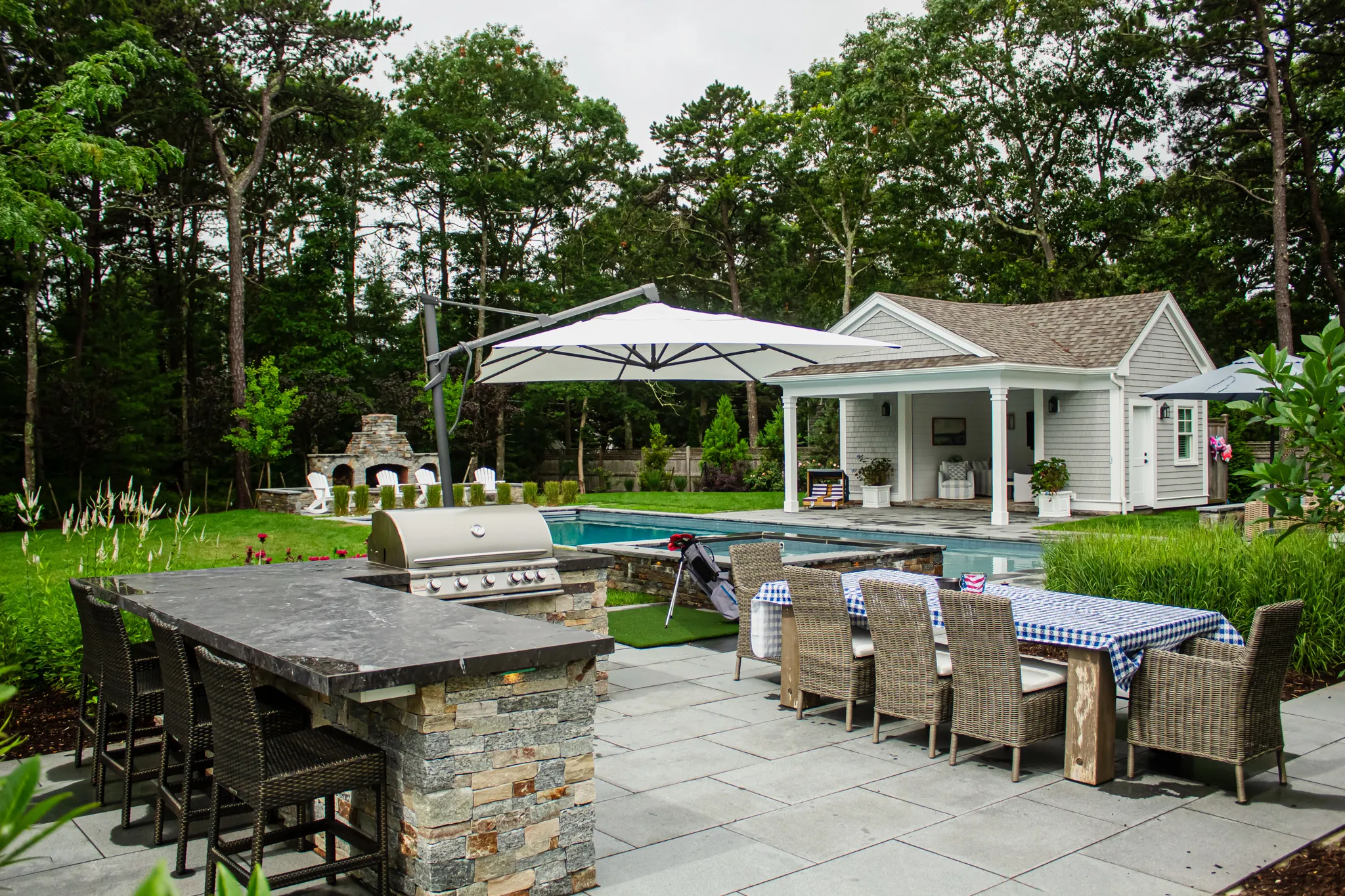
Planning a Patio & Outdoor Kitchen on Cape Cod: Design, Cost & Construction Considerations
A patio and outdoor kitchen can turn a backyard into a true extension of the home. Instead of simply creating…

How Much Does Landscape Design Cost on Cape Cod?
The cost of landscape design on Cape Cod depends on the size of the property, complexity of the plan, site…
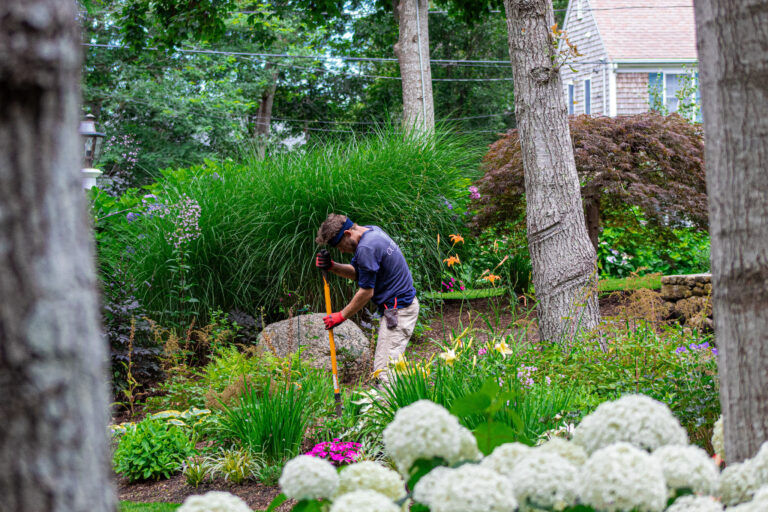
Seasonal Yard Cleanup in Falmouth, MA: A Spring & Fall Property Guide
A Falmouth property can look very different from one season to the next. Winter leaves branches and debris behind. Spring…