
Understanding Conservation Considerations in Cape Cod
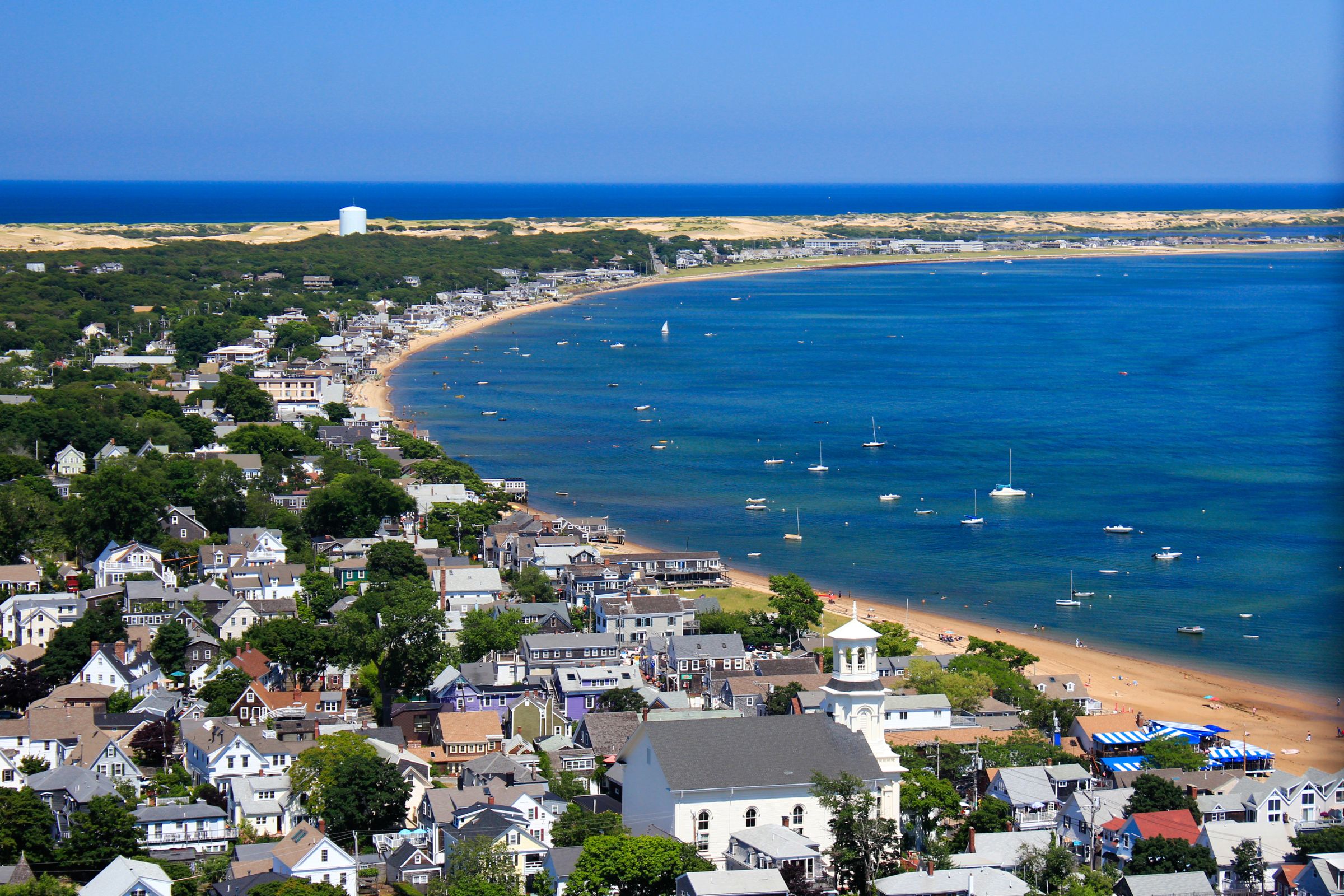
Many properties throughout Cape Cod are located near environmentally sensitive areas that may be protected under state and local regulations. These areas can include:
- Wetlands
- Coastal banks
- Salt marshes
- Freshwater ponds
- Streams
- Dunes
- Flood-prone areas
Under Massachusetts wetland regulations, certain projects proposed near protected resource areas may require review by a local Conservation Commission. Requirements can vary by town, property location, and project scope.
Because many Cape Cod communities have adopted local bylaws that provide additional protections beyond state requirements, homeowners should avoid assuming that regulations are identical from town to town.
Common Landscape Projects That May Require Review
Many homeowners are surprised to learn that landscape improvements can sometimes trigger review depending on where the work is located.
Projects that may warrant additional review include:
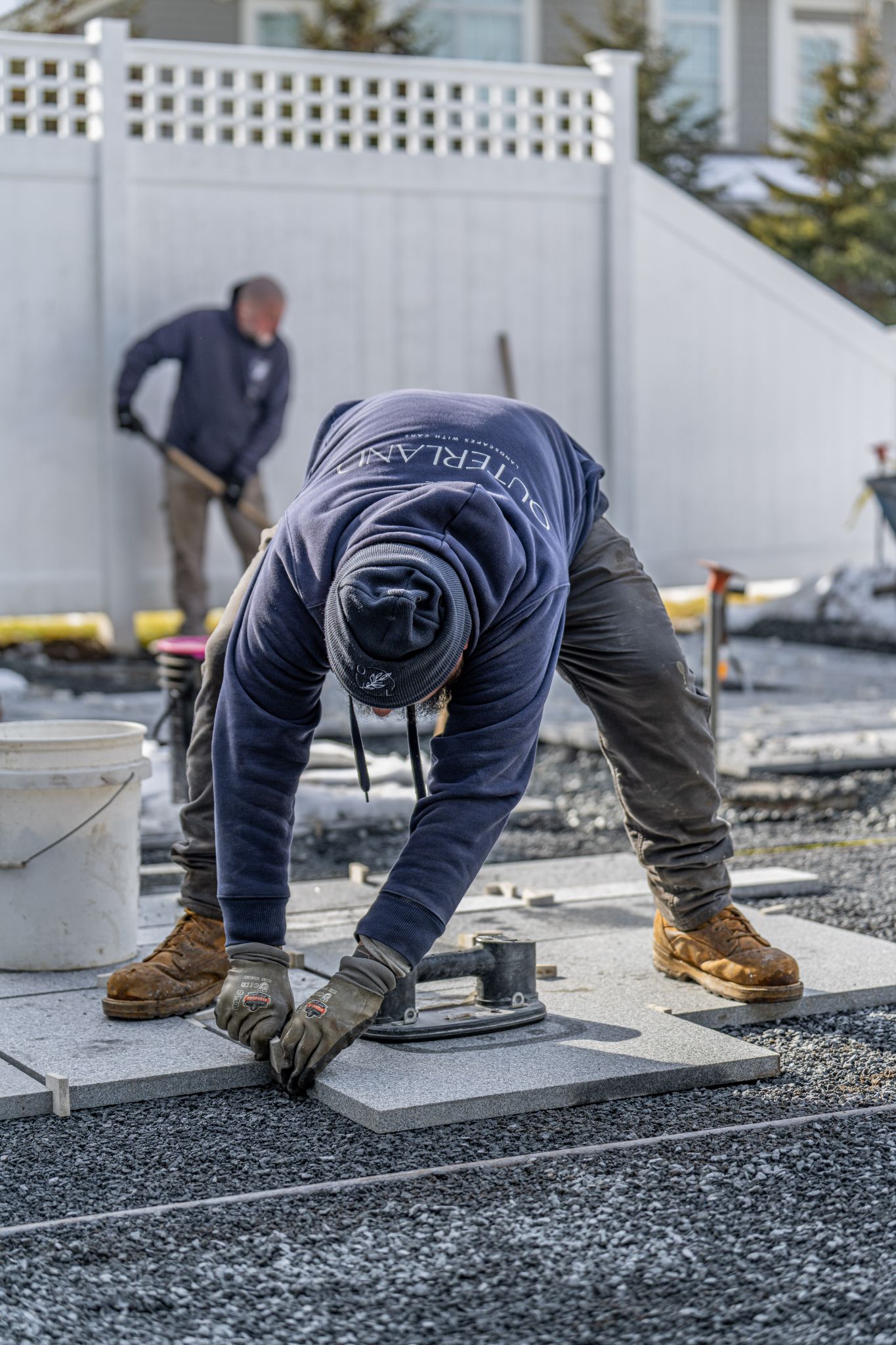
- Installing patios or walkways
- Building retaining walls
- Grading or changing site elevations
- Tree removal
- Drainage improvements
- Expanding lawn areas
- New planting projects near sensitive resource areas
This does not mean approval is always required. However, understanding the location of your project relative to wetlands or other protected areas is often an important first step during planning.
For homeowners considering a larger property transformation, working with an experienced landscape design team can help identify potential considerations early in the process.
Wetlands, Buffers, and Coastal Resource Areas
One of the most common sources of confusion for homeowners involves wetlands buffer zones.
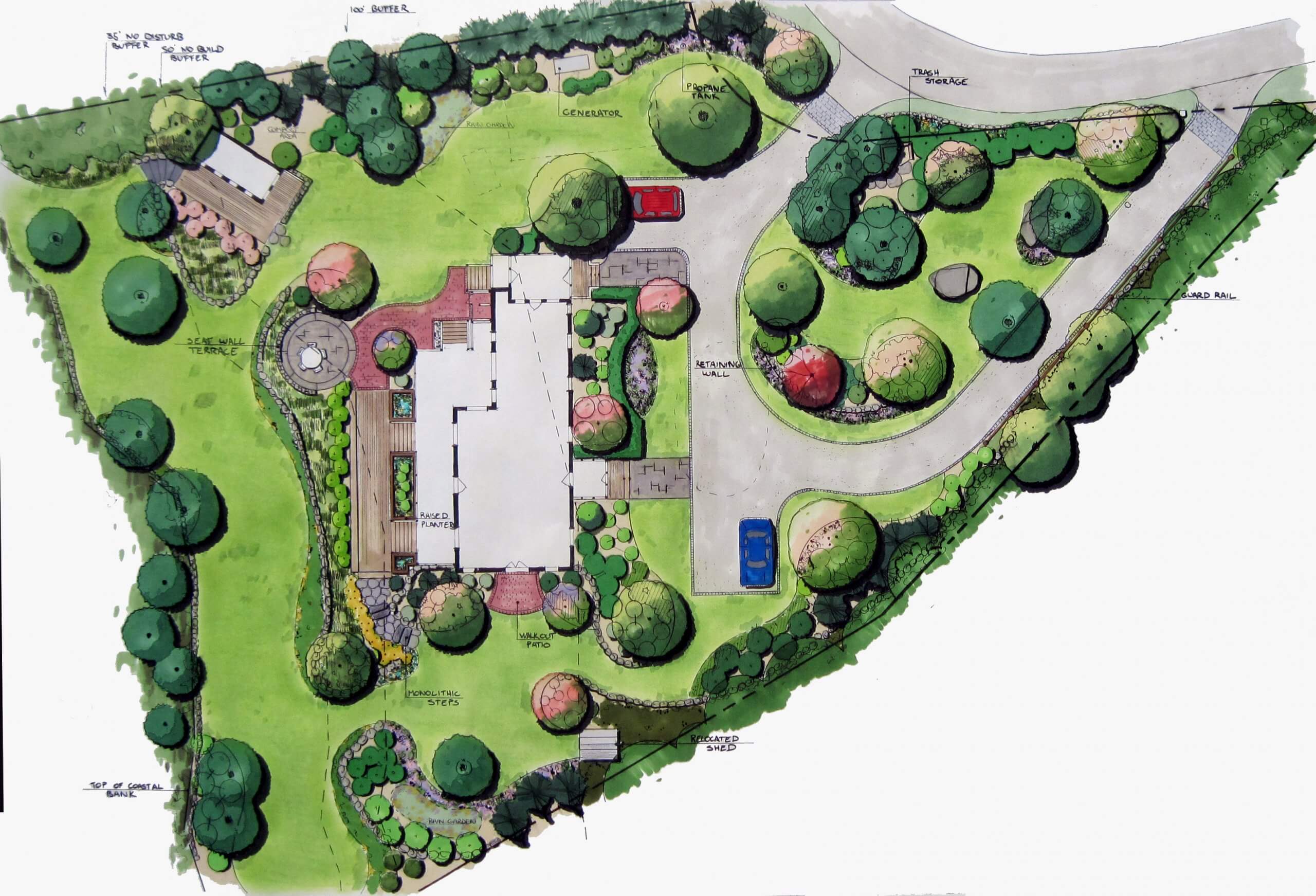
In simple terms, buffer zones are areas surrounding certain protected resource areas where work may receive additional scrutiny because of its potential environmental impact. While state regulations commonly reference work occurring within 100 feet of certain wetland resource areas, individual towns may have additional requirements or more restrictive local bylaws.
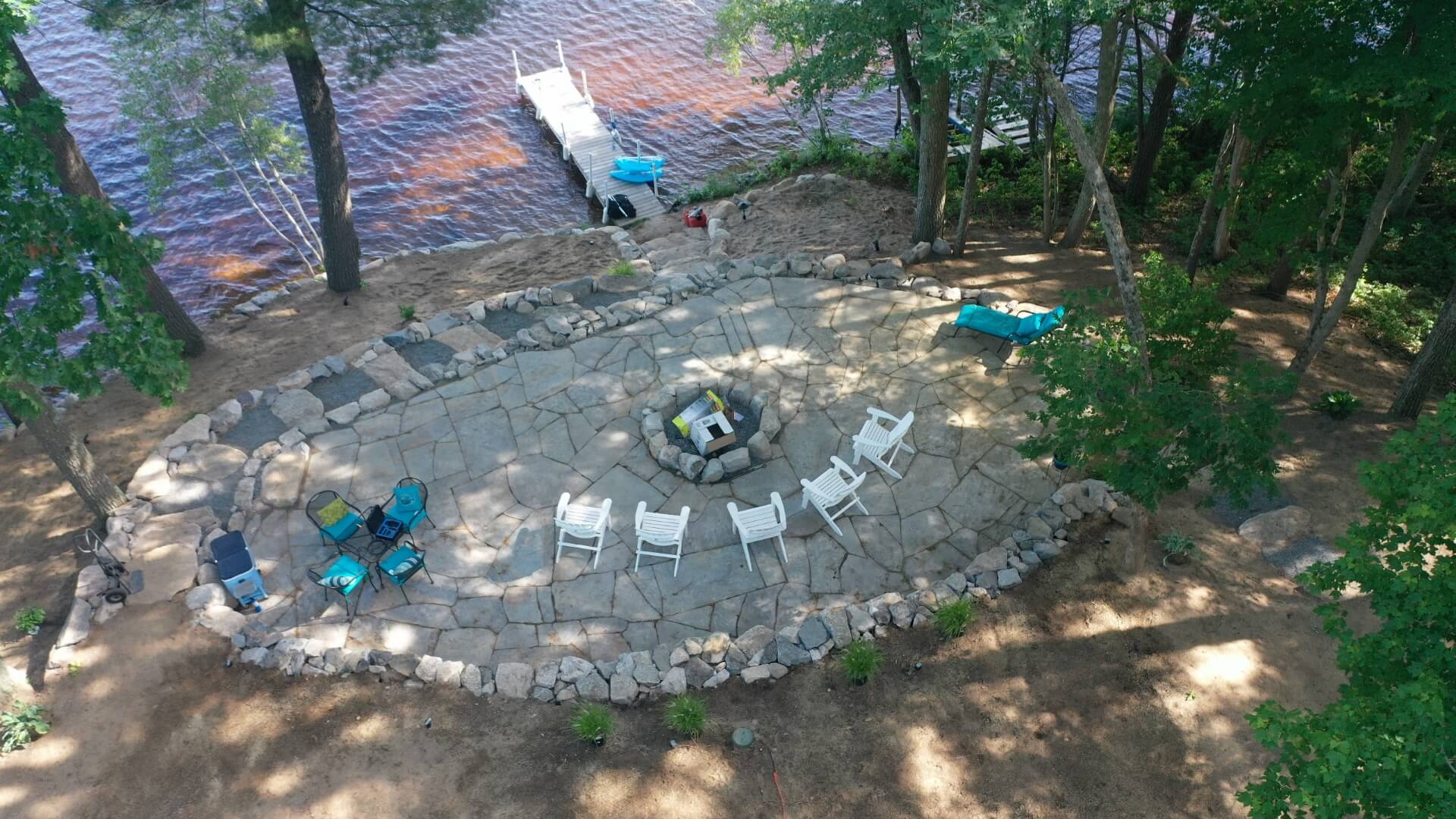
Cape Cod’s coastal environment creates additional considerations. Shoreline properties, waterfront homes, and properties near marshes or ponds often require more detailed planning than inland sites.
This is one reason many homeowners begin with a site assessment before investing heavily in final design plans.
Why Early Planning Matters
The most successful landscape projects often begin long before construction starts.
By understanding site constraints early, homeowners can:
- Reduce permitting delays
- Avoid costly redesigns
- Improve project scheduling
- Better coordinate design and installation
- Protect existing natural resources
This is particularly important for properties where drainage, grading, or hardscape improvements are being considered.
Many homeowners choose to pair early planning with ongoing property care through professional landscape maintenance services to ensure improvements continue performing well after installation.
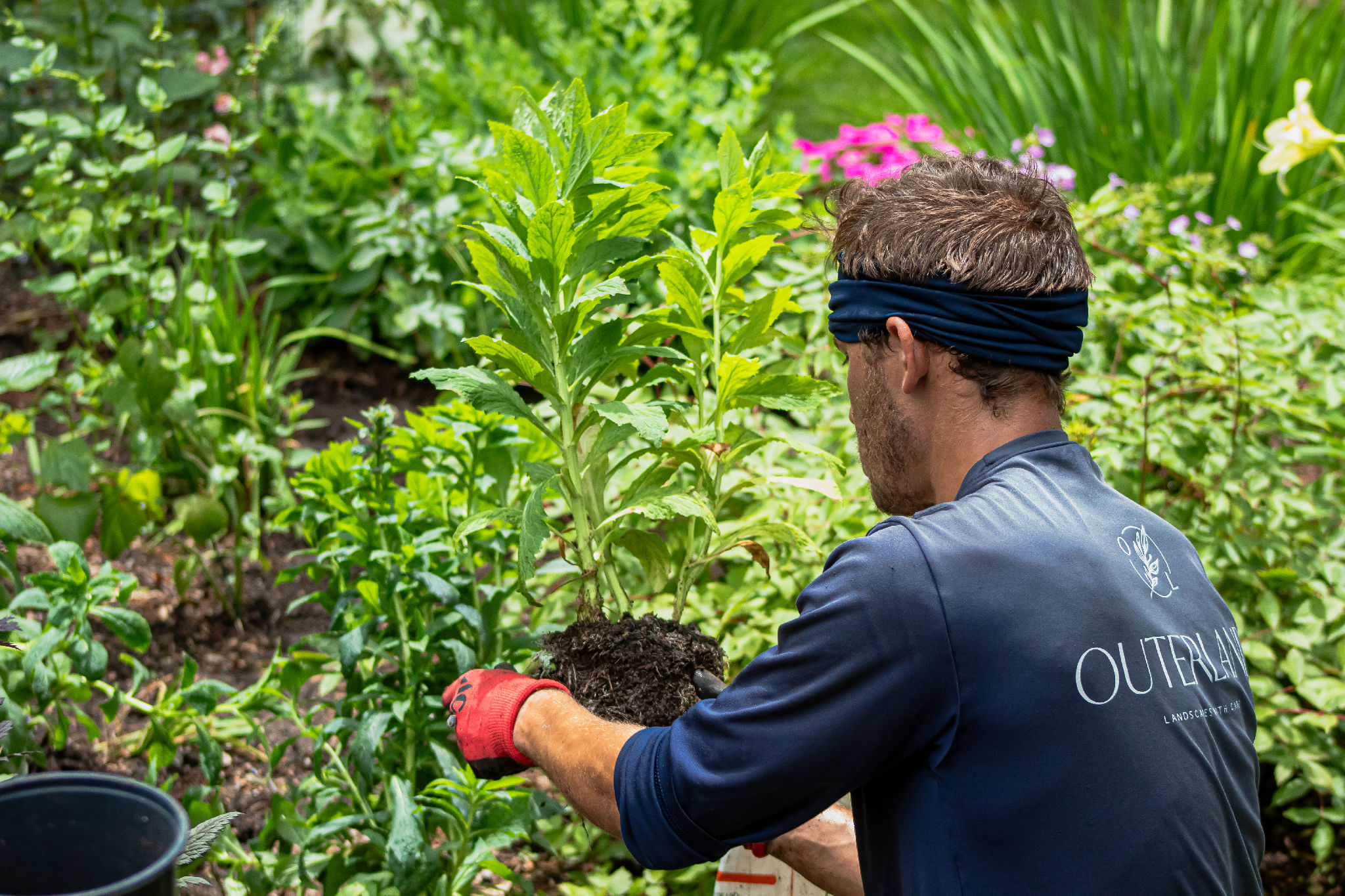
Working With a Local Landscape Professional
Cape Cod landscapes are shaped by more than regulations alone. Coastal conditions, sandy soils, salt exposure, and seasonal weather patterns all influence how landscapes perform over time.
Working with professionals who understand local environmental conditions can help homeowners create outdoor spaces that are both beautiful and practical.
Whether your goal is improving curb appeal, creating an outdoor living space, or enhancing a garden, combining thoughtful planning with local expertise often leads to better long-term results.
You can also explore our gardening services and seasonal maintenance programs to support your landscape after the planning process is complete.
Start Your Landscape Project with Confidence
Every property is different, and landscape regulations can vary depending on location, environmental conditions, and project scope.
If you’re considering a landscape project in Cape Cod, taking time to understand potential site constraints can help you move forward with greater confidence and fewer surprises. If any of this feels daunting, Outerland is here to help.
Contact our team to discuss your property, explore design possibilities, and learn how thoughtful planning can support a successful landscape project.
Frequently Asked Questions
Not necessarily. Requirements depend on the location of the property, the type of work proposed, and proximity to protected resource areas. Homeowners should consult their local Conservation Commission for project-specific guidance.
A buffer zone is an area surrounding certain protected wetland resource areas where proposed work may receive additional review due to potential environmental impacts.
In some situations, yes. Tree removal near regulated resource areas may require review depending on location and project scope.
No. Individual towns may have local bylaws and requirements that differ from neighboring communities.
Local professionals understand Cape Cod’s environmental conditions, common site constraints, and the planning considerations that often influence successful landscape projects.
A good first step is understanding your property’s environmental conditions and identifying whether wetlands, drainage concerns, or local regulations may affect the project.