
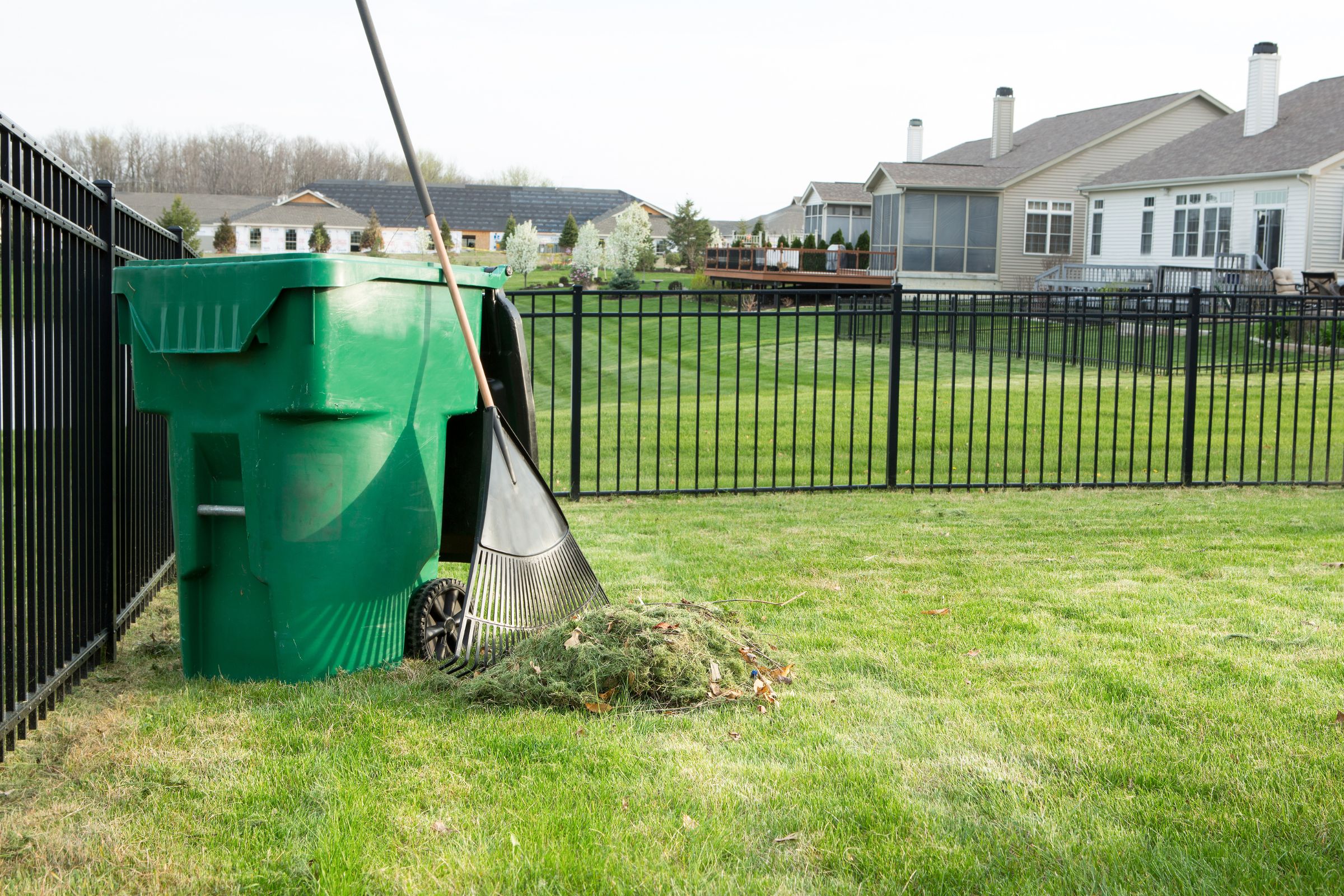
Spring Cleanup Checklist for Coastal Lawns
Spring is a critical time for coastal lawns. After winter weather, lawns often need focused care to recover and prepare for the growing season ahead. A thorough spring cleanup helps restore turf health and sets the foundation for strong growth.
Assessing Winter Damage
Begin by walking the property and identifying areas affected by snow cover, ice, or standing water. Compacted soil, bare patches, and debris buildup are common issues after winter.
Early assessment allows problems to be addressed before growth begins.
Clearing Winter Debris and Organic Buildup
Winter often leaves behind more than just leaves and branches. Pine needles, acorns, salt residue, sand, and general organic debris can accumulate across lawns and along edges during snowmelt and freeze-thaw cycles.
This buildup can interfere with drainage and create uneven growing conditions if left in place. Clearing winter debris helps water move away from turf more efficiently and prevents soil compaction in high-traffic or low-lying areas.
Removing this material also provides a clear view of the lawn’s condition, making it easier to identify bare spots, compacted soil, or areas that may need repair before the growing season begins.
Removing Leaves and Fallen Branches
Even after a thorough fall cleanup, leaves and branches often reappear over the winter months. Strong winds, snow cover, and coastal storms can move leaves back onto lawn areas and cause small branches or twigs to fall long after trees have gone dormant.
Removing leaves early in spring is essential for healthy turf. Mats of wet leaves can block sunlight, trap moisture, and prevent grass from drying out properly. This can slow spring growth and increase the risk of disease. Fallen branches and twigs should also be cleared to prevent damage to emerging grass and to make mowing and lawn treatments more effective later in the season.
A careful raking and removal process helps restore airflow at the soil surface and allows the lawn to warm evenly as temperatures rise.
Soil Preparation and Aeration
Coastal soils often compact over winter. Aeration relieves compaction, improves drainage, and supports root growth.
Soil testing may also be helpful to determine nutrient needs before fertilization.
Overseeding and Lawn Repair
Bare or thinning areas should be overseeded early in the season. Choosing seed blends suited for coastal conditions improves success rates.
Light topdressing can help seed establish and blend into existing turf.
Early Season Fertilization
Applying nutrients at the right time supports steady growth without overstressing the lawn. Slow-release fertilizers are often preferred to encourage balanced development.
Irrigation System Startup
Spring is the time to inspect irrigation systems for damage caused by freezing temperatures. Adjustments ensure even coverage and prevent water waste as the season begins.
Frequently Asked Questions
Spring cleanup typically begins once the ground has thawed and consistent growth is about to start.
Many coastal lawns benefit from annual aeration, especially in high-traffic areas.
Yes. Removing debris, repairing damage, and restoring nutrients often produces visible improvement within weeks.
Yes. Seasonal adjustments help match watering schedules to weather conditions and plant needs.
A well-executed spring cleanup prepares coastal lawns for a healthy growing season. Addressing issues early helps lawns recover faster and perform better throughout the year.
Related Posts
Best Perennials for Cape Cod’s Coastal Climate
If you live along the shore in Cape Cod, MA, you know the wind, salt, and sandy soil can be…
How to Create a Maintenance Plan for Estates and Campuses
Large properties such as estates, campuses, and shared residential spaces require a different approach to landscape maintenance. With more square…

Cape Cod Landscape Design Ideas for 2026
As we step into 2026, homeowners in Cape Cod are embracing innovative landscape design trends that harmonize with the region’s…