

Coastal Landscape Design Elements Every Cape Cod Homeowner Should Include
Designing a landscape that survives and thrives along the coast requires thoughtful choices and an understanding of local conditions. At Outerland, our cape cod landscape design expertise ensures your outdoor space combines beauty, function, and long-lasting health—no matter the shoreline exposure or seasonal wind.
Why Coastal Design Matters
Coastal environments bring unique challenges: sandy soil, salt spray, strong winds, and shifting weather. A well-crafted design addresses all of these while enhancing your home’s value and usability. Your property becomes not just a landscape, but a resilient outdoor retreat thanks to smart plant choices, thoughtful hardscaping, and reliable irrigation Cape Cod support.
1. Native Plant Zones & Pollinator Beds
Selecting native plant garden design Cape Cod species—such as beach plum, bayberry, seaside goldenrod, and switchgrass—ensures low-maintenance success and local ecological support. Pollinator-friendly perennials flourish in sandy soil, attract bees and butterflies, and require minimal upkeep. Native zones also help reduce watering needs, fitting perfectly with cape cod landscaping goals.
2. Smart Hardscaping & Outdoor Living Spaces
Engineered stone patios, pathways, fire pit spaces, pergolas, and seating nooks create functional outdoor zones that withstand coastal conditions. Anchored with durable materials, these features enhance your daily living while blending into the natural landscape. Thoughtful design ensures ease of use, longevity, and storm resilience across Cape Cod, from Falmouth to Chatham.
3. Efficient Water Management & Irrigation
Proper water control is essential in salty, sandy conditions. That’s where irrigation Cape Cod comes in: drip systems, rain gardens, and smart controllers help deliver moisture only where needed. Roofing run-off can be redirected to planting beds, and slight slopes guide excess water away from foundations—supporting garden health and minimizing waste.
4. Textural Plant Combinations & Wind-Tolerant Grasses
Designers pair grasses like switchgrass, saltgrass, and prairie dropseed with perennials that exhibit strong coastal resilience. The textures soften patios, define borders, and provide year-round interest. These combinations not only endure wind and salt spray but also visually complement cape cod landscape design aesthetics.
Benefits of Coastal Design for Cape Cod Homes
- Sustainability: Native and salt-resistant plants use less water and care, aligned with eco-conscious practices.
- Low Maintenance: Fewer inputs mean gardens look good with minimal effort.
- Property Value: Stylish outdoor living areas raise home value and offer functional use.
- Ecological Impact: Supporting biodiversity with pollinator zones and native planting.
How Outerland Supports Your Vision
- In-house landscape designers collaborate with you from concept to completion.
- We include smart cape cod lawn care for ongoing seasonal upkeep.
- Our team addresses both design and maintenance—providing smooth transitions from planting to care.
- You can rely on our local insight and sustainable practices for long-term landscape health.
Ready to Transform Your Yard?
For stunning, sustainable cape cod landscape design, trusted hardscaping built for coastal life, and integrated garden care, Outerland is your local partner. Book a design consultation today to begin shaping a resilient and beautiful coastal landscape.
Frequently Asked Questions
Local conditions—salt air, sandy soil, wind exposure—dictate plant selection and hardscaping strategies. A successful design accounts for these elements while showcasing natural beauty.
We incorporate irrigation pumps, drip tubing, and zoning to support planting beds and turf without excessive water use. Systems are calibrated for seasonal adjustments and local rainfall patterns.
Absolutely. Native species can be arranged within structured layouts or mixed with ornamental elements to balance ease of care with refined appearance.
Late summer through early fall is ideal. It allows new plantings to establish root systems before winter and prepares your property for next spring’s growth.
Related Posts
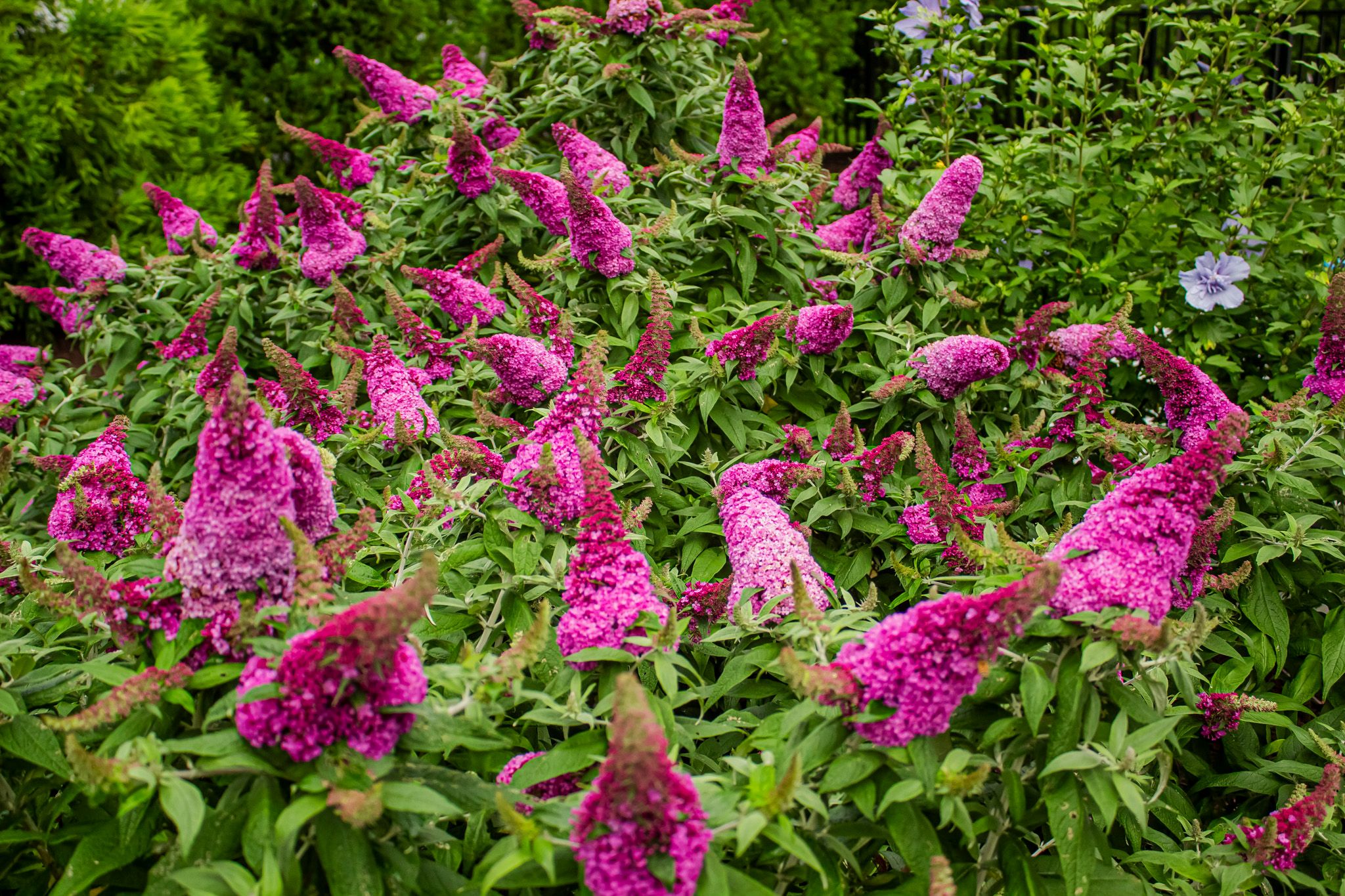
Best Perennials for Cape Cod’s Coastal Climate
If you live along the shore in Cape Cod, MA, you know the wind, salt, and sandy soil can be…

How to Create a Maintenance Plan for Estates and Campuses
Large properties such as estates, campuses, and shared residential spaces require a different approach to landscape maintenance. With more square…
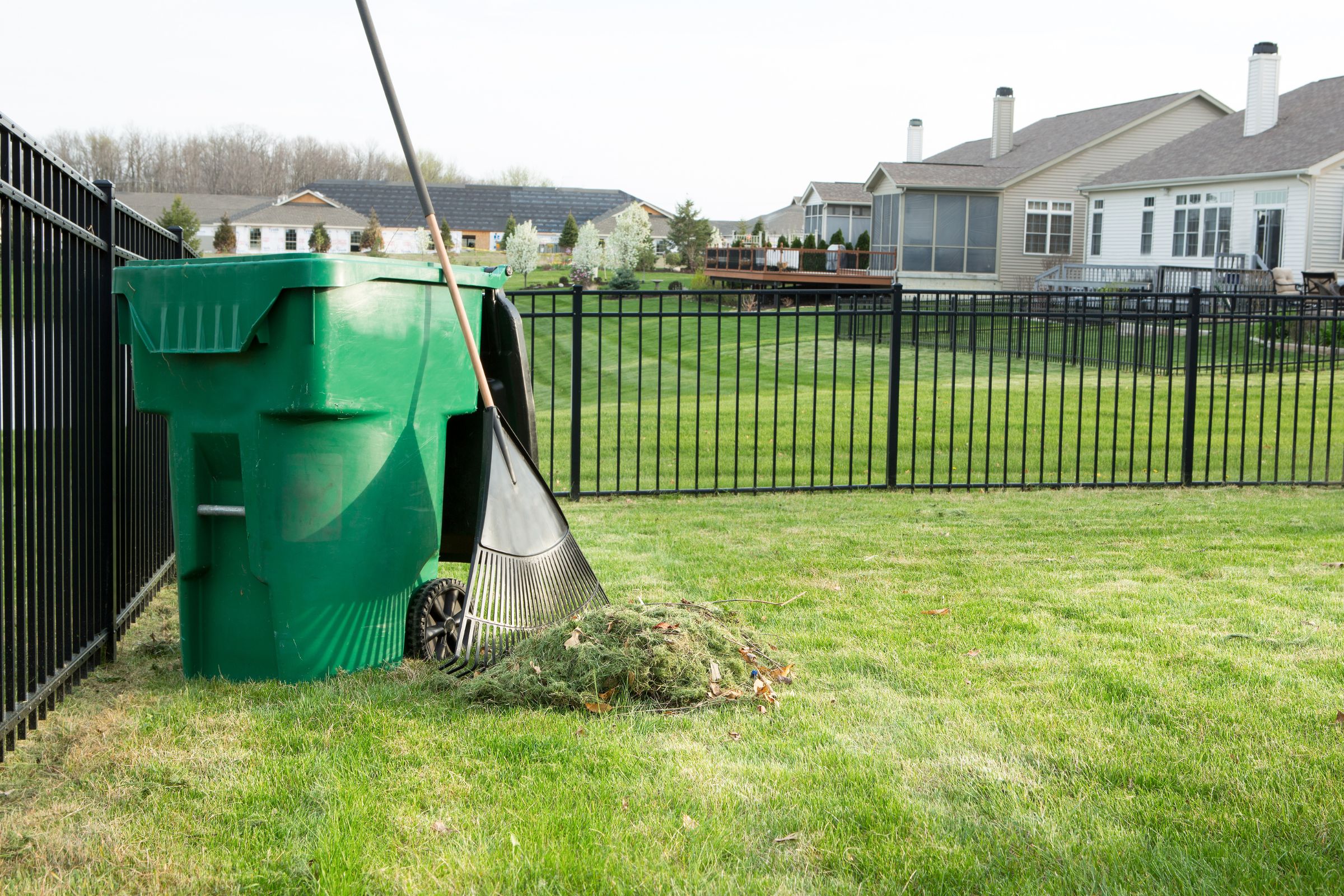
Spring Cleanup Checklist for Coastal Lawns
Spring is a critical time for coastal lawns. After winter weather, lawns often need focused care to recover and prepare…