
5 Low‑Maintenance Native Plants That Thrive in Cape Cod Gardens
Gardening in Cape Cod, MA doesn’t have to be high maintenance. With the right plant selection, you can enjoy colorful, eco-friendly landscapes that require minimal effort. In this guide, we highlight five native, pollinator-friendly plants that flourish in this region—perfect for home gardens designed by Outerland’s expert gardeners in Cape Cod.
Why Choose Native Plants for Your Cape Cod Garden
Using native plants in Cape Cod landscapes offers numerous advantages:
- They are drought-tolerant and adapted to local sandy soils and salt spray.
- Pollinator-friendly varieties support bees, butterflies, and birds year-round.
- With less watering and pruning needed, they reduce workload and water use.
These characteristics pair beautifully with Outerland’s integrated approach to cape cod landscaping and garden maintenance.
Top 5 Native, Low-Maintenance Plants for Cape Cod
1. Beach Plum (Prunus maritima)
- Coastal shrub with fragrant white blooms and edible fruit.
- Extremely salt-tolerant and drought resilient in sandy soil.
- Prune lightly in late winter. Provides bird habitat and early-season interest.
2. Bayberry (Morella pensylvanica)
- Aromatic evergreen shrub with berries attractive to wildlife.
- Thrives in wind-exposed conditions.
- Minimal pruning; ideal as hedge or windbreak for seaside gardens.
3. Switchgrass (Panicum virgatum)
- Ornamental grass that adds structure and texture.
- Deep roots help control erosion.
- Cut back in late winter for clean spring growth.
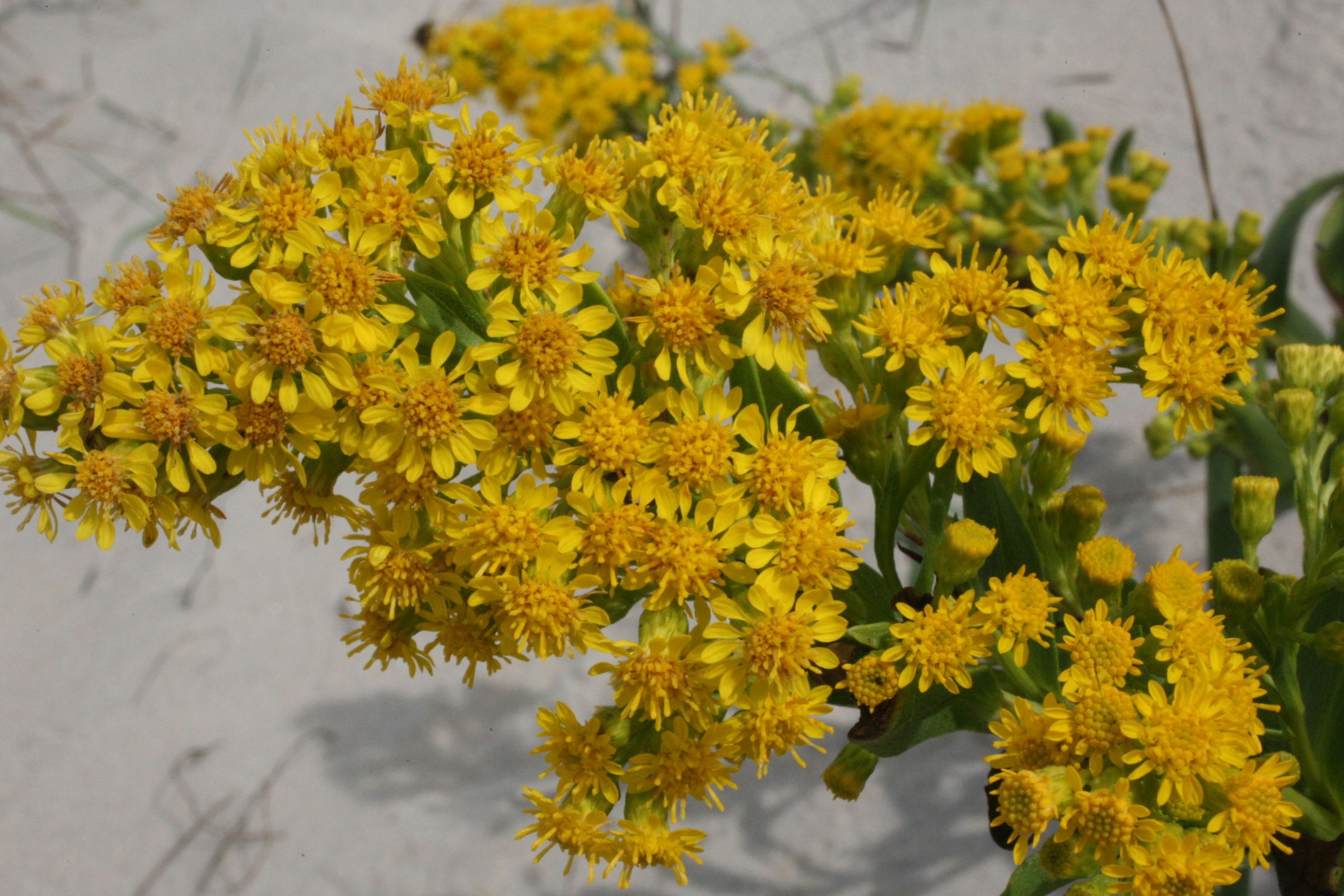
4. Seaside Goldenrod (Solidago sempervirens)
- Bright yellow blooms in late summer and fall.
- Excellent salt and wind resistance, perfect for dune-adjacent sites.
- Deadhead faded blooms to extend visual impact.
5. Purple Coneflower (Echinacea purpurea)
- Pollinator magnet with long-lasting summer blooms.
- Thrives in full sun with well-draining soil.
- Low water needs, hardy and vibrant.
These species complement smart cape cod landscape design and create beautiful, functional gardens with minimal upkeep.
Planting & Care Tips for Native Gardens
- Timing: Plant in early fall or spring to improve establishment.
- Soil Prep: Amend sandy soil with compost and organic matter to boost retention.
- Mulching: Apply a layer of mulch annually to retain moisture and suppress weeds.
- Watering: Water deeply only during the first growing season; native plants typically thrive on rainfall afterward.
- Maintenance: Pruning once annually and clearing spent blooms helps maintain health.
Combined with professional cape cod lawn care or support from landscapers in Cape Cod, these practices ensure long-term garden resilience and vibrancy.
Benefits for Cape Cod Gardeners
- Low upkeep: Native plants require far less maintenance than conventional ornamentals.
- Water-wise: Drought tolerance reduces irrigation needs—especially beneficial in dry summers.
- Wildlife support: Plants attract pollinators and support the ecosystem.
- Aesthetic longevity: Gardens look natural, refined, and evergreen across seasons.
How Outerland Supports Native Gardens
As experienced gardeners in Cape Cod, we offer:
- Expert garden design services incorporating native selection and layout.
- Full seasonal maintenance plans, from mulching to garden pruning and refreshes.
- Optional irrigation Cape Cod integrations to support early establishment.
- Coordination with broader cape cod landscaping design—ensuring your garden fits beautifully within your overall landscape.
Ready to Cultivate a Low-Maintenance, Native Garden?
Designing gardens that thrive naturally takes thought and expertise. Our team is eager to plan, install, and maintain beautiful native plant gardens across Cape Cod—from Falmouth to Chatham and beyond. Contact us today to start building your sustainable outdoor retreat.
Frequently Asked Questions
Yes. Native species are adapted to Cape Cod’s coastal soil and wind conditions, making them simpler to maintain over time.
Absolutely. Plenty of native species are naturally salt-tolerant and well-suited for gardens near dunes or shorelines.
Very little—typically annual pruning, occasional weeding, and a yearly mulch refresh. Water needs decrease after establishment.
Early fall or spring offers the best conditions for root establishment before temperature extremes.
Related Posts
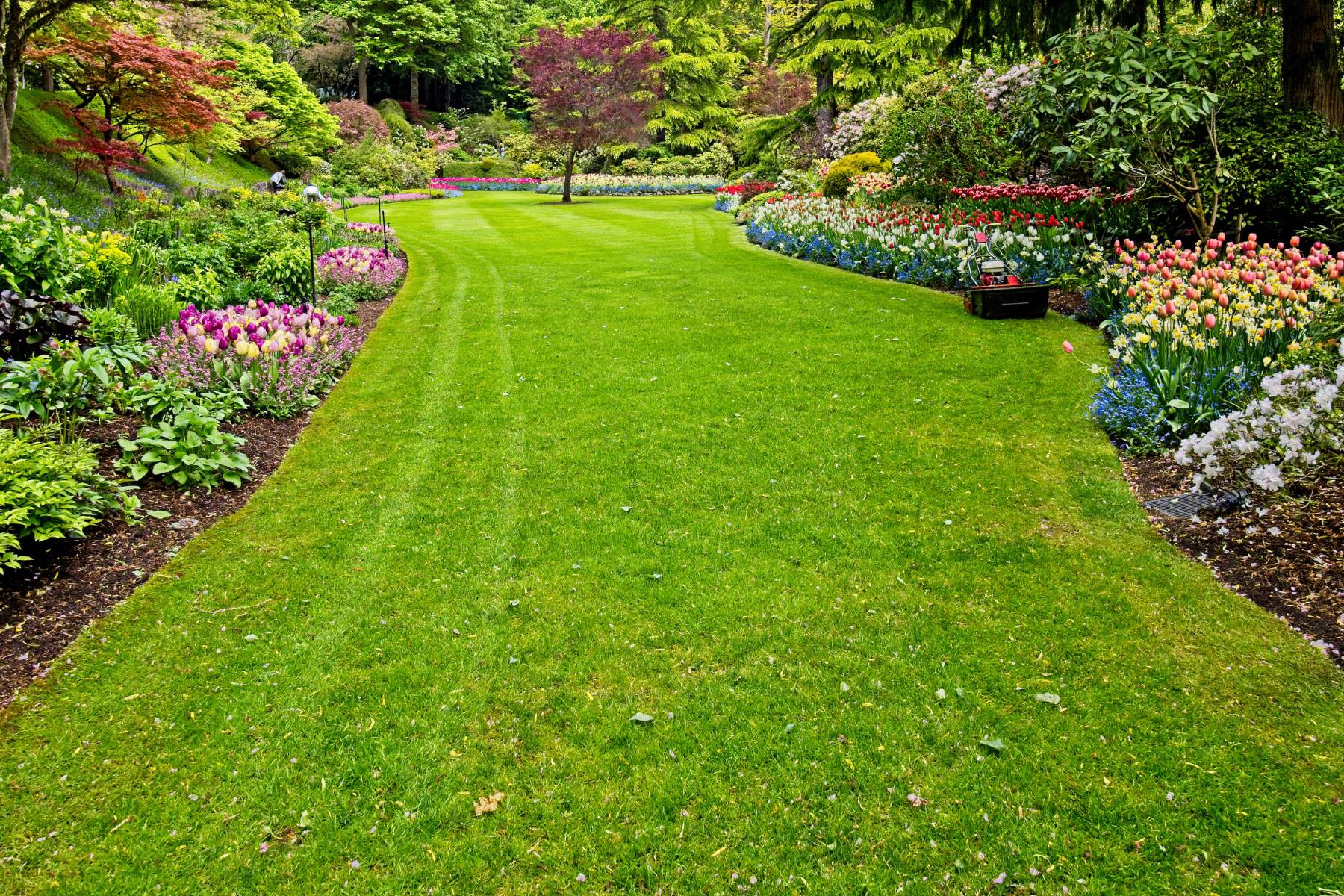
Sustainable Landscaping Trends in Cape Cod, MA: What Top Designers Are Doing in 2026
In 2026, sustainable landscaping in Cape Cod, MA, is no longer just a smart option. It’s becoming the standard. Homeowners…
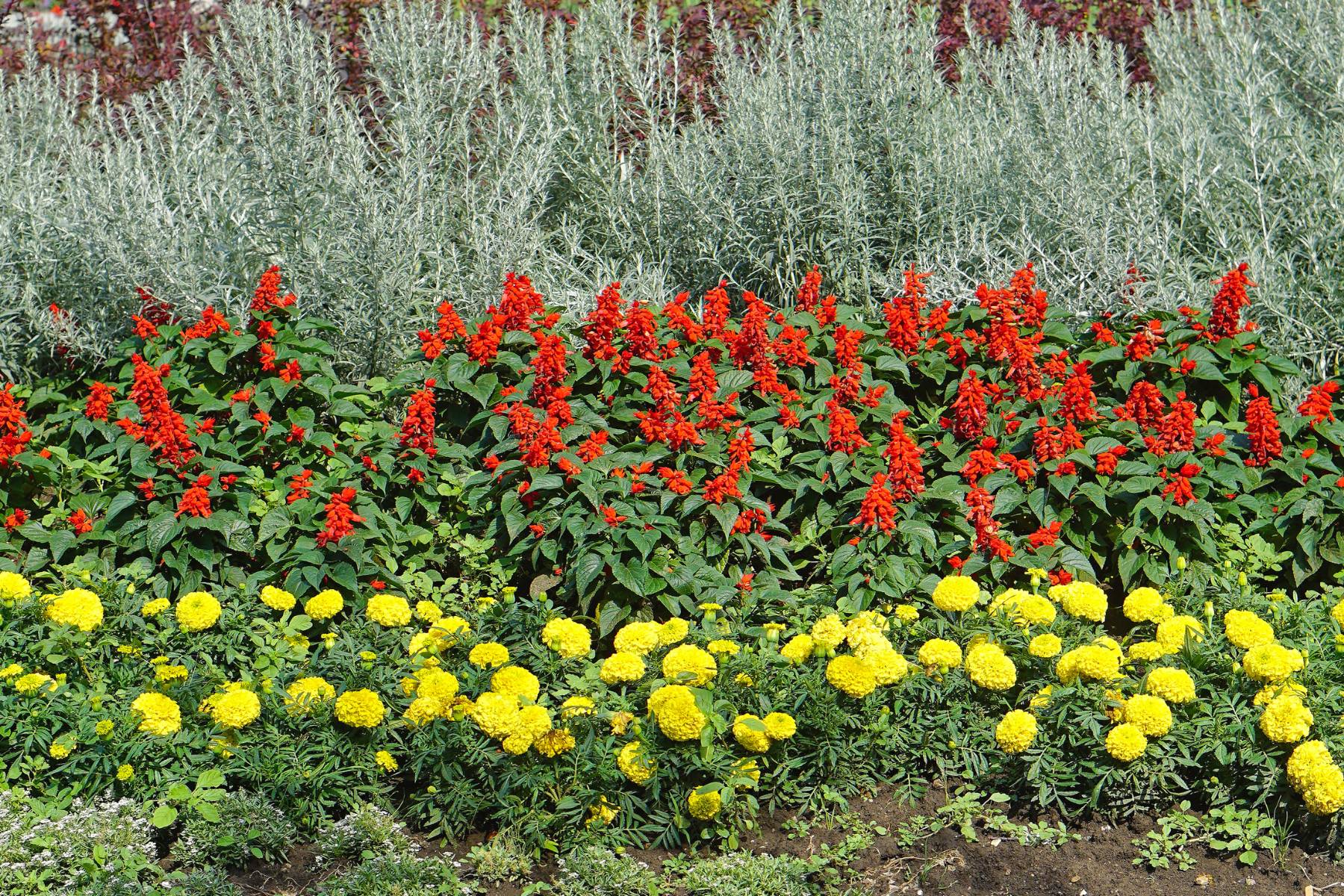
Coastal Garden Maintenance in Cape Cod, MA: How to Protect Plants from Salt and Wind
Gardening along the shoreline can create stunning landscapes, but it also presents unique challenges. In Cape Cod, MA, conventional planting…

Top Gardening Mistakes To Avoid On Cape Cod (And What To Do Instead)
You bring home a gorgeous hydrangea from the nursery, tuck it into your front bed in Cape Cod, MA, and…