
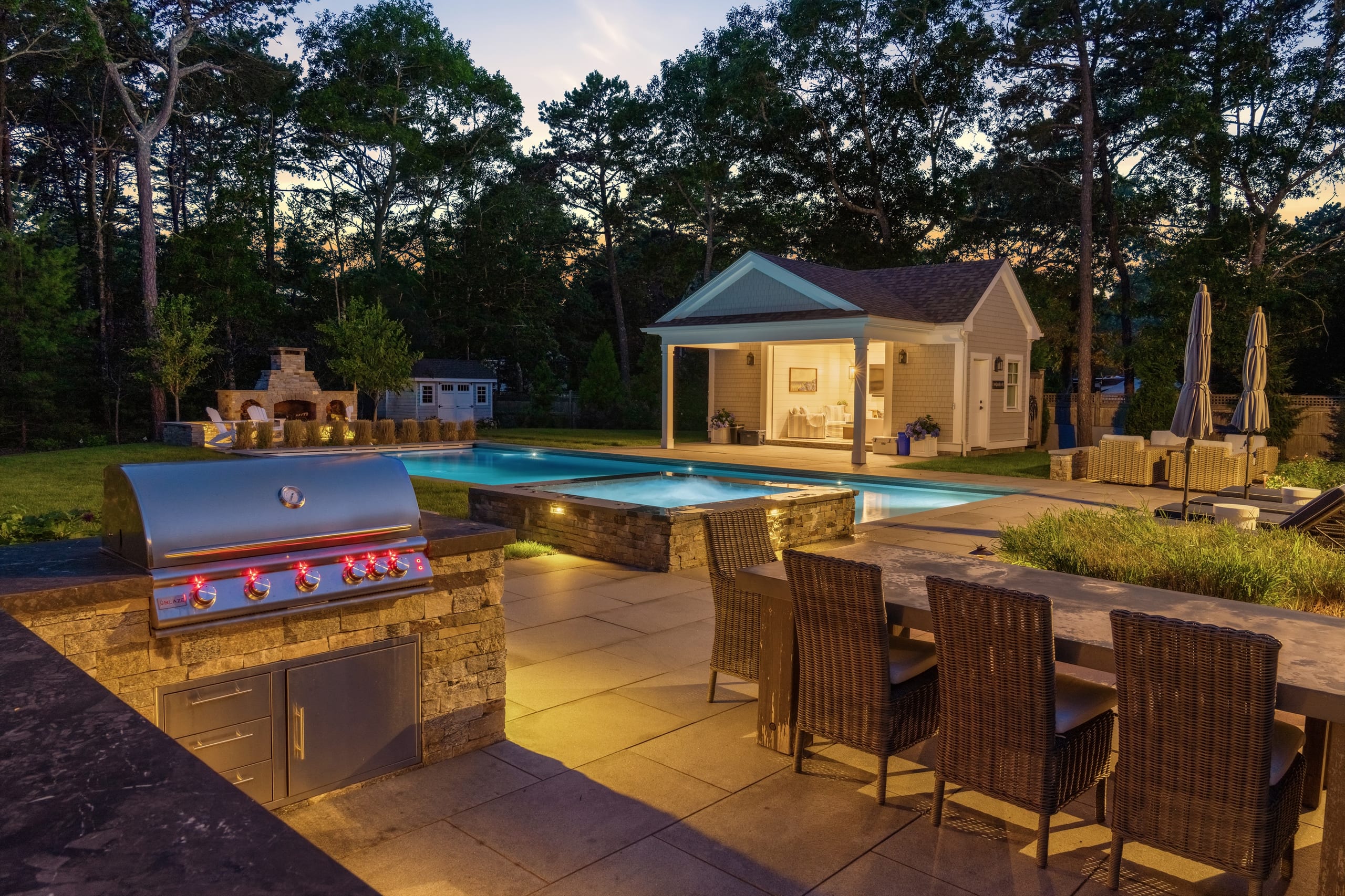
What Is Landscape Lighting Used For?
Landscape lighting can serve both practical and aesthetic purposes. The goal is not simply to make an outdoor space brighter. A thoughtful lighting plan determines where illumination is useful and where a more restrained approach better preserves the character of the landscape.
Depending on the property, outdoor landscape lighting may be used around:
- Walkways and paths
- Steps and transitions
- Patios and gathering spaces
- Gardens and planting areas
- Trees and specimen plantings
- Stonework and masonry
- Driveways and entrances
- Outdoor living spaces
- Selected architectural features
Each area has a different purpose. A walkway needs enough illumination to support nighttime navigation, while a garden may call for more selective lighting that draws attention to plant form, texture, or depth.
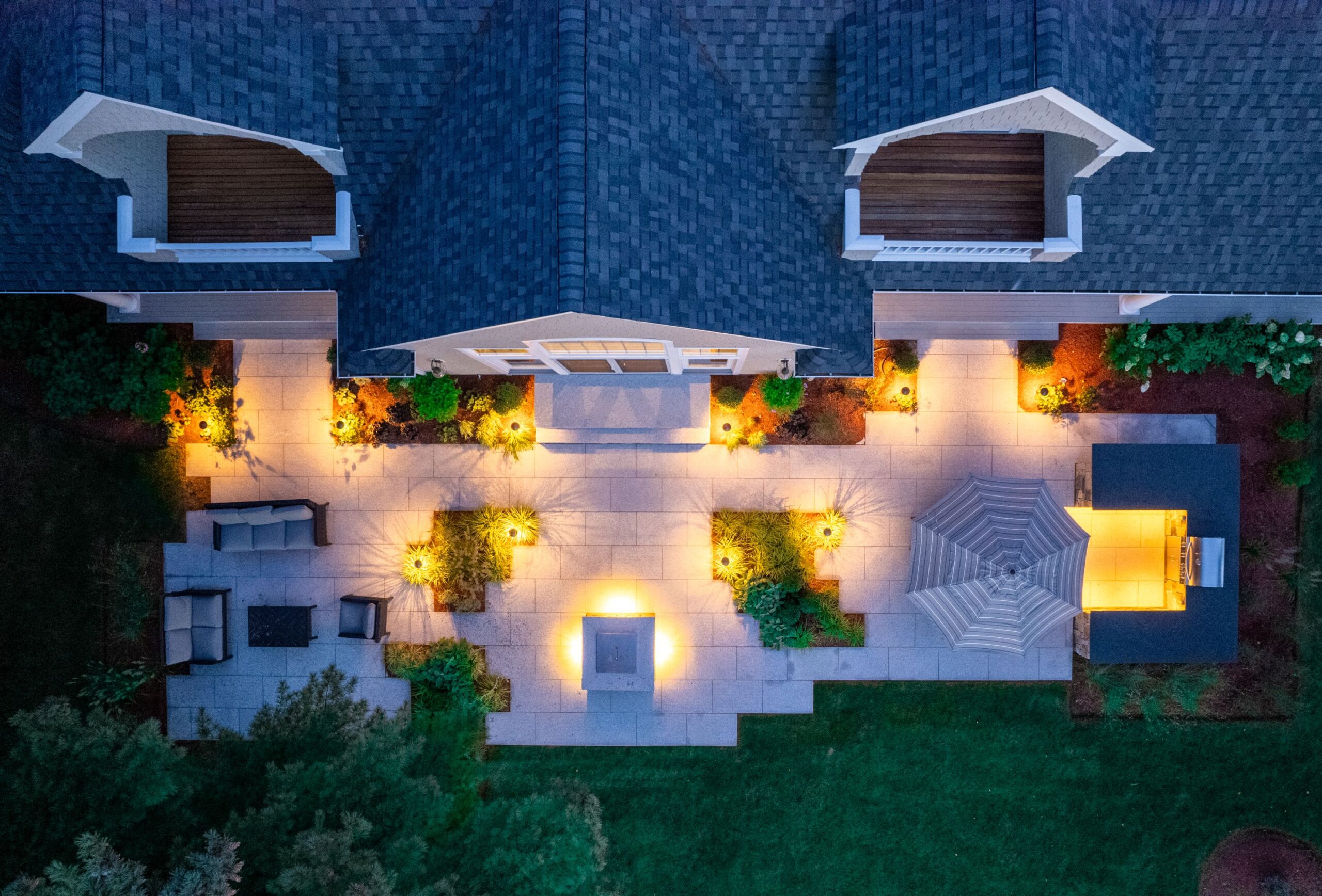
Planning Landscape Lighting Around the Entire Property
Effective landscape lighting begins with understanding how the property functions after dark.
Where do people enter the property? Which paths connect frequently used areas? Where does the family gather outside? Which landscape features contribute most to the view from the home? Are there areas that become difficult to navigate once daylight fades?
Answering those questions creates a better foundation than selecting individual fixtures first.
Outerland approaches outdoor lighting as one component of a larger landscape. When lighting is planned alongside landscape installation and construction, locations can be considered in relation to planting areas, hardscape features, circulation routes, and outdoor gathering spaces from the beginning.
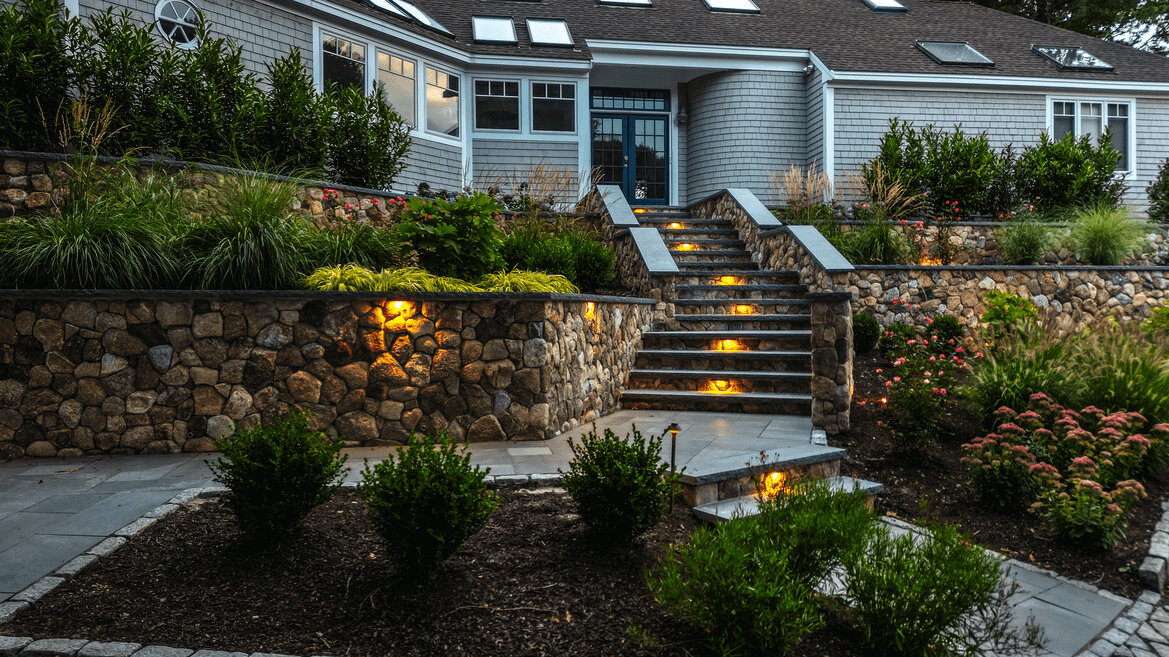
Landscape Lighting for Walkways, Steps, and Entrances
Paths and transitions are among the most practical places to consider outdoor lighting.
Landscape lighting can help define the route from a driveway to an entrance, illuminate changes in elevation, and make frequently traveled paths easier to understand at night.
Placement matters. Adding excessive brightness along every edge can make a landscape feel more like a commercial corridor than a residential setting. Instead, lighting should respond to the way people actually move through the property.
Entrances can receive similar attention. Lighting around the approach to the home can reinforce the landscape design while helping guests understand where to go after dark.
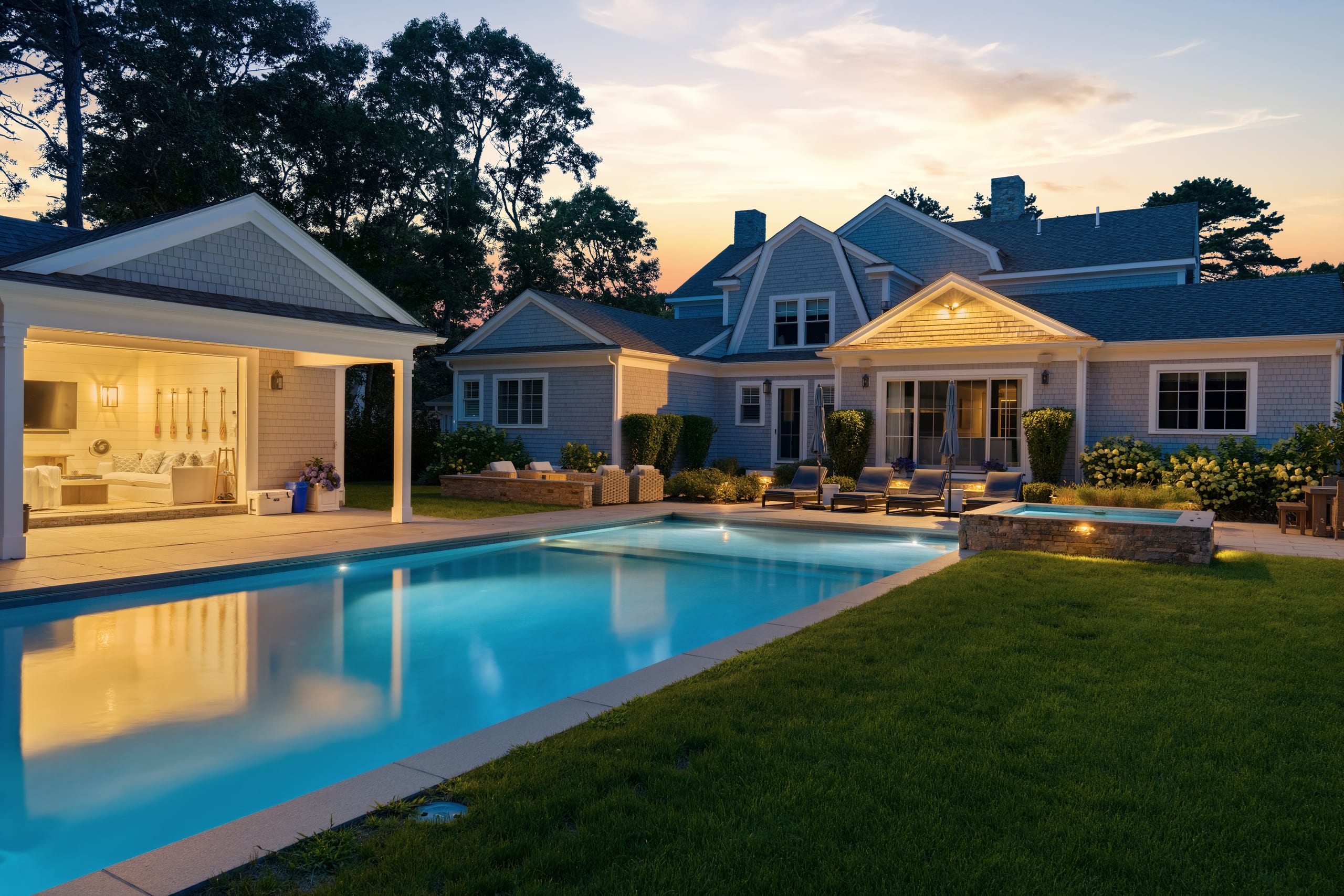
Outdoor Lighting for Patios and Gathering Spaces
Outdoor living does not have to end at sunset.
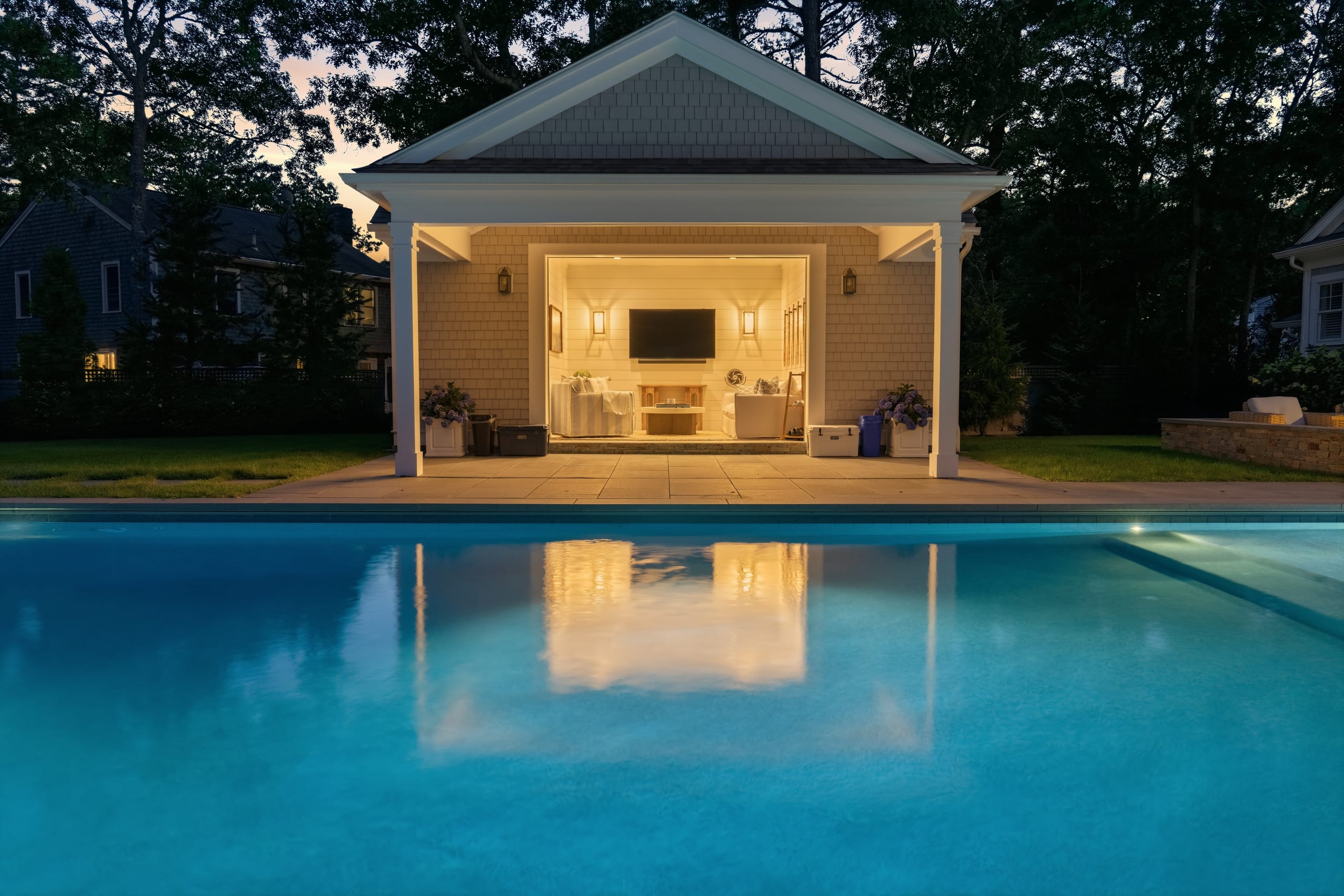
Patios, dining areas, outdoor kitchens, seating areas, and other gathering spaces can benefit from lighting planned specifically around how those areas are used. Instead of relying on a single source of bright light, landscape lighting can help connect an outdoor room to surrounding paths, gardens, and landscape features.
This is particularly useful when lighting is considered during the design of a new outdoor space. Patios, masonry, planting, circulation, and lighting can then be planned as related components rather than separate additions.
Homeowners considering a larger outdoor renovation can explore Outerland’s hardscape and masonry services in Cape Cod to see how constructed features can become part of a complete landscape.
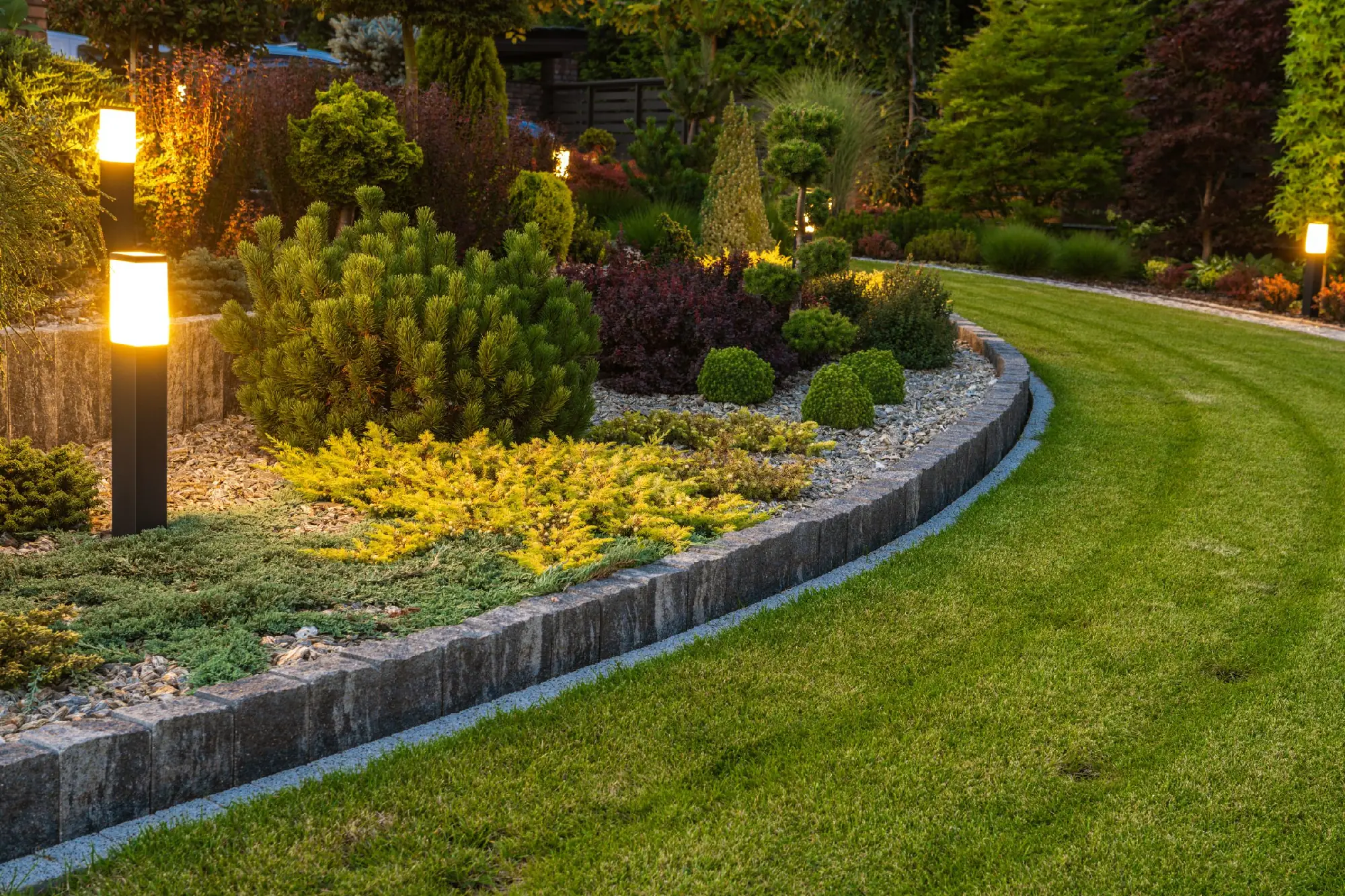
Using Lighting to Highlight Gardens and Plantings
Gardens take on a different character after dark.
Selective lighting can emphasize the structure of a tree, bring attention to an important planting area, reveal texture in the landscape, or create depth when a garden is viewed from a patio or inside the home.
The key word is selective.
Not every plant needs illumination. A few carefully chosen focal points can often create a more intentional nighttime landscape than attempting to light every garden bed equally.
Lighting should also account for the fact that landscapes change. Plants grow, gardens mature, and seasonal conditions alter what is visible throughout the year. Outerland’s Cape Cod gardening services can support the planting areas that lighting is designed to complement.
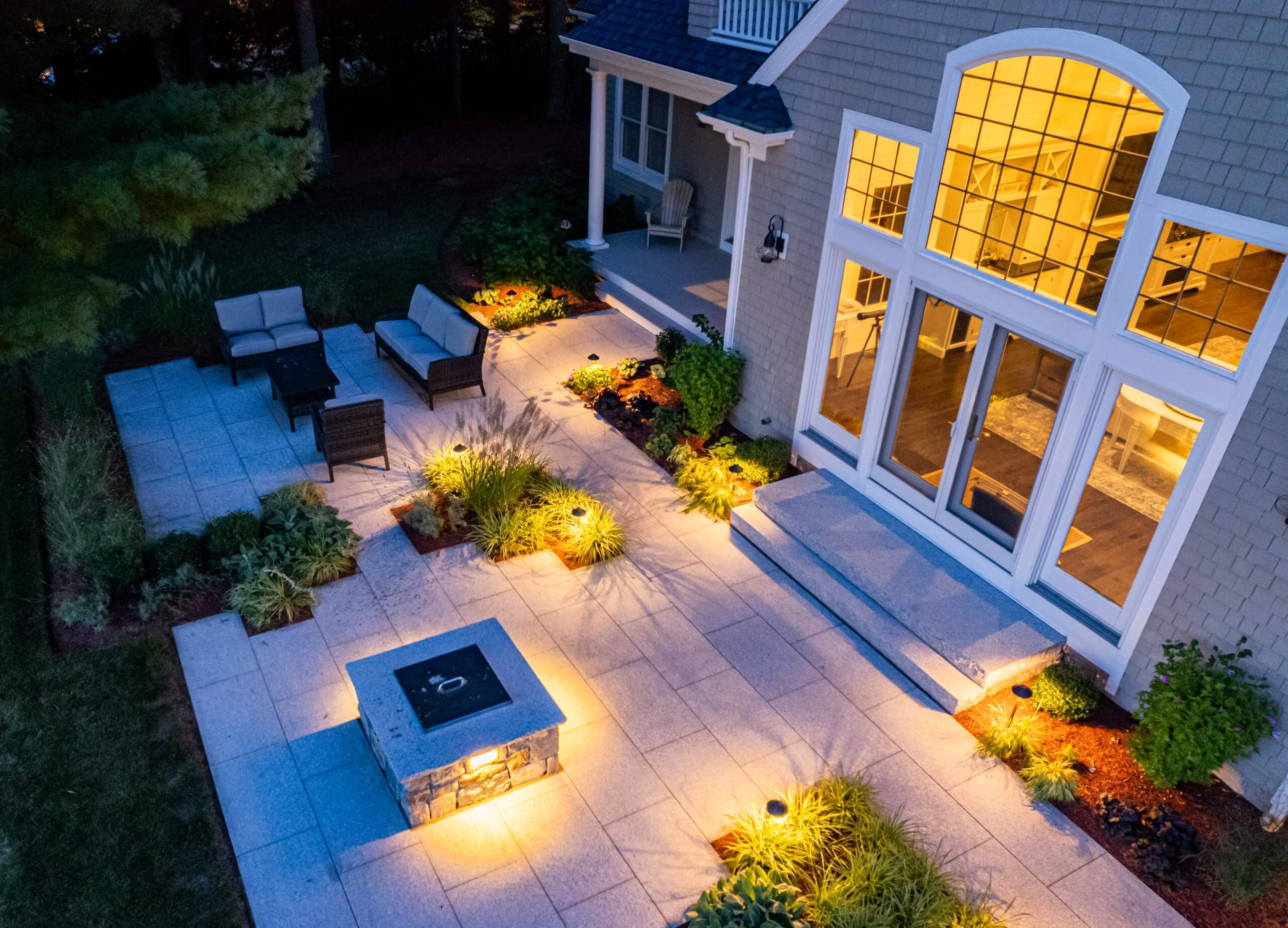
Can Landscape Lighting Be Added to an Existing Property?
Yes. Landscape lighting does not have to be limited to new landscape construction.
An established property may already have mature gardens, walkways, patios, stonework, or outdoor gathering areas worth highlighting after dark. In those situations, the first step is understanding what already works well and where lighting would provide the most useful improvement.
An existing landscape may benefit from lighting around a frequently used path, a previously dark gathering area, a distinctive tree, or a masonry feature that loses its visual presence at night.
This creates an opportunity to improve the nighttime experience without unnecessarily redesigning the entire property.
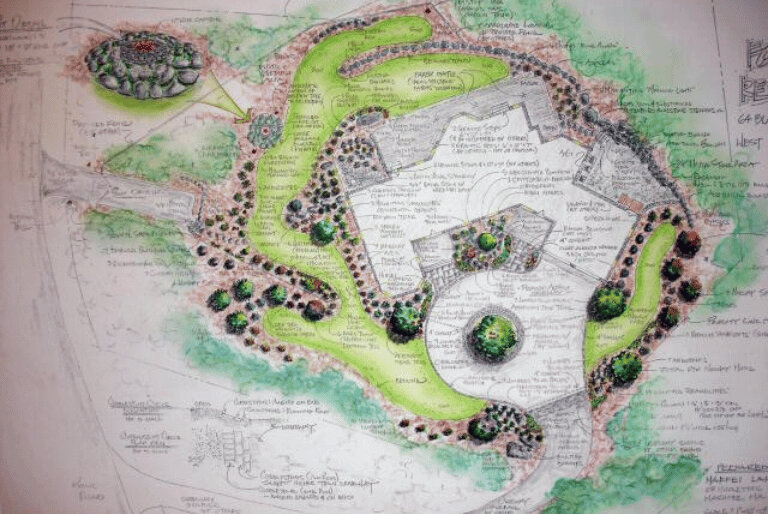
When Should Landscape Lighting Be Planned?
For a new landscape or substantial renovation, lighting should ideally be discussed during the planning process.
Outerland’s Cape Cod landscape design process can include outdoor lighting concepts alongside patios, walkways, gardens, irrigation, drainage, and other landscape features. Planning these components together makes it easier to create a cohesive finished property.
Lighting can also be introduced later. Existing landscapes evolve, homeowners’ needs change, and outdoor spaces may begin serving purposes that were not anticipated when they were originally built.
The important point is to plan lighting around the landscape rather than treating it as an unrelated accessory.
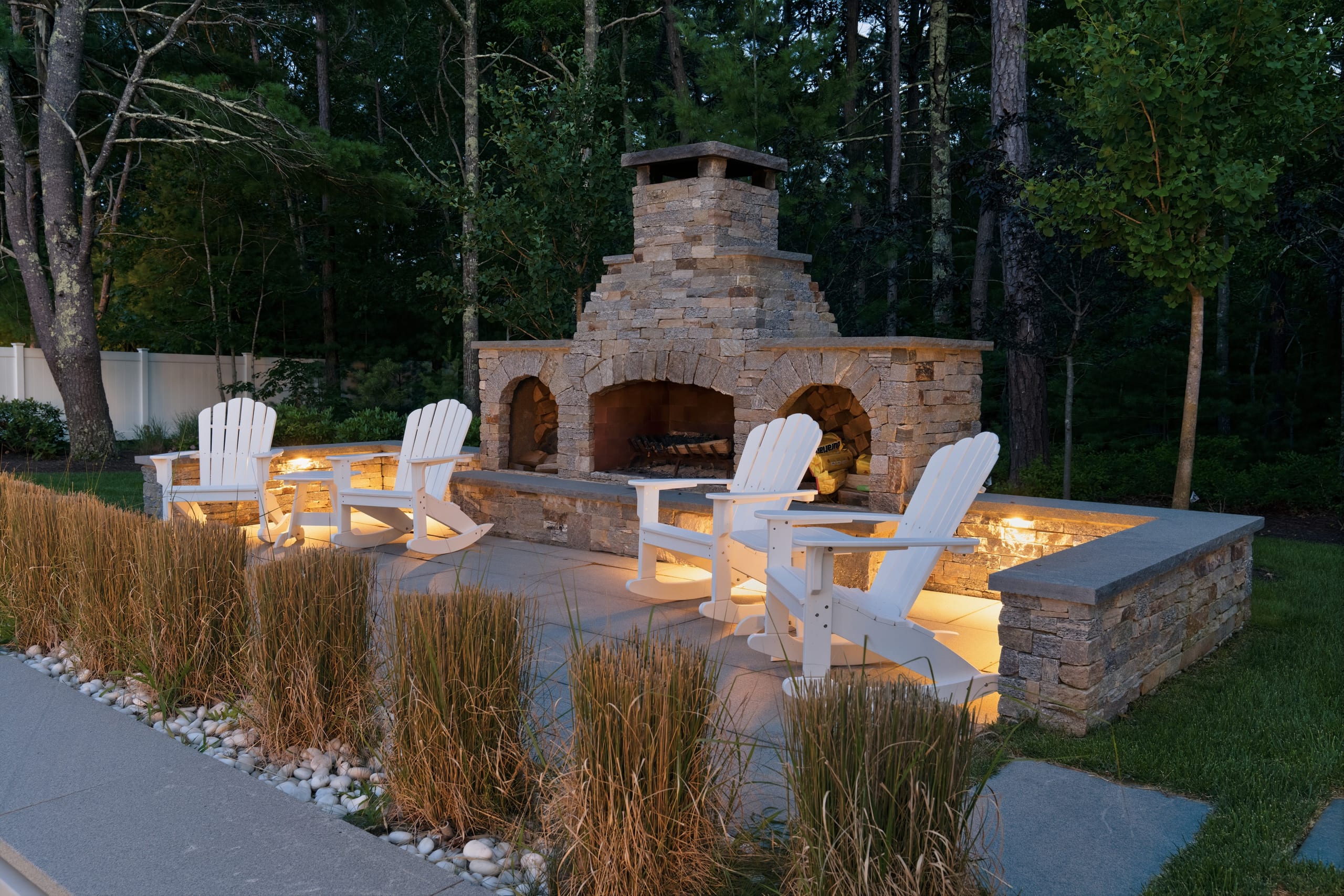
Landscape Lighting as Part of a Complete Cape Cod Landscape
One of the advantages of working with a full-service landscape company is the ability to look beyond a single improvement.
A patio affects circulation. A walkway connects areas of the property. Plantings influence views and focal points. Gardens mature. Lighting interacts with all of them.
Outerland brings landscape design, construction, horticulture, and ongoing property care together so improvements can be considered in context. Our work serves properties throughout Cape Cod, including Chatham, Mashpee, Barnstable, Falmouth, and surrounding communities.
For homeowners planning more than a standalone lighting project, our broader Cape Cod landscaping services provide a starting point for exploring how design, construction, gardening, and long-term care can work together.
Why Choose Outerland for Landscape Lighting on Cape Cod?
Outerland brings more than three decades of landscape experience to properties throughout Cape Cod. Our approach to landscape lighting is informed by the same principles that guide our larger design and construction work: understand the property, understand how it will be used, and develop a solution that fits naturally into the surrounding landscape.
That integrated perspective is especially valuable when lighting is part of a larger outdoor project. Instead of designing the landscape during one phase and thinking about nighttime use later, lighting can become part of the overall conversation.
The objective is a property that feels considered during the day and after sunset.
Plan Your Cape Cod Landscape Lighting Project
Good landscape lighting should have a reason for being where it is. It can guide movement, extend the use of outdoor spaces, highlight meaningful landscape features, and create a more complete experience of the property after dark.
Outerland can help you determine where outdoor lighting fits within your existing landscape or incorporate it into a larger design and construction project.
Contact Outerland to discuss landscape lighting for your Cape Cod home or property.
Frequently Asked Questions
Good candidates include frequently used walkways, steps, entrances, patios, driveways, gathering spaces, gardens, and selected landscape or architectural features. The right locations depend on how the property is used after dark and which areas benefit most from added visibility or emphasis.
Yes. Outdoor lighting can be incorporated into established properties as well as new landscape projects. Existing gardens, patios, paths, trees, masonry, and outdoor living spaces can all be evaluated to determine where lighting would provide the greatest benefit.
Planning lighting during landscape design can be beneficial because placement can be considered alongside walkways, planting areas, patios, masonry, and other features. It can also be added later when an existing property needs improved nighttime functionality or visual interest.
A thoughtful design focuses light where it has a purpose rather than illuminating the entire property equally. Selective placement around circulation routes, gathering spaces, focal plantings, and landscape features can create a balanced nighttime environment without excessive brightness.
Landscape lighting is planned specifically in relation to outdoor spaces and landscape features. It may be used to illuminate paths, gardens, trees, masonry, patios, entrances, and other elements of the property, with placement considered as part of the overall landscape design.