
Why Chatham Landscapes Require Additional Planning
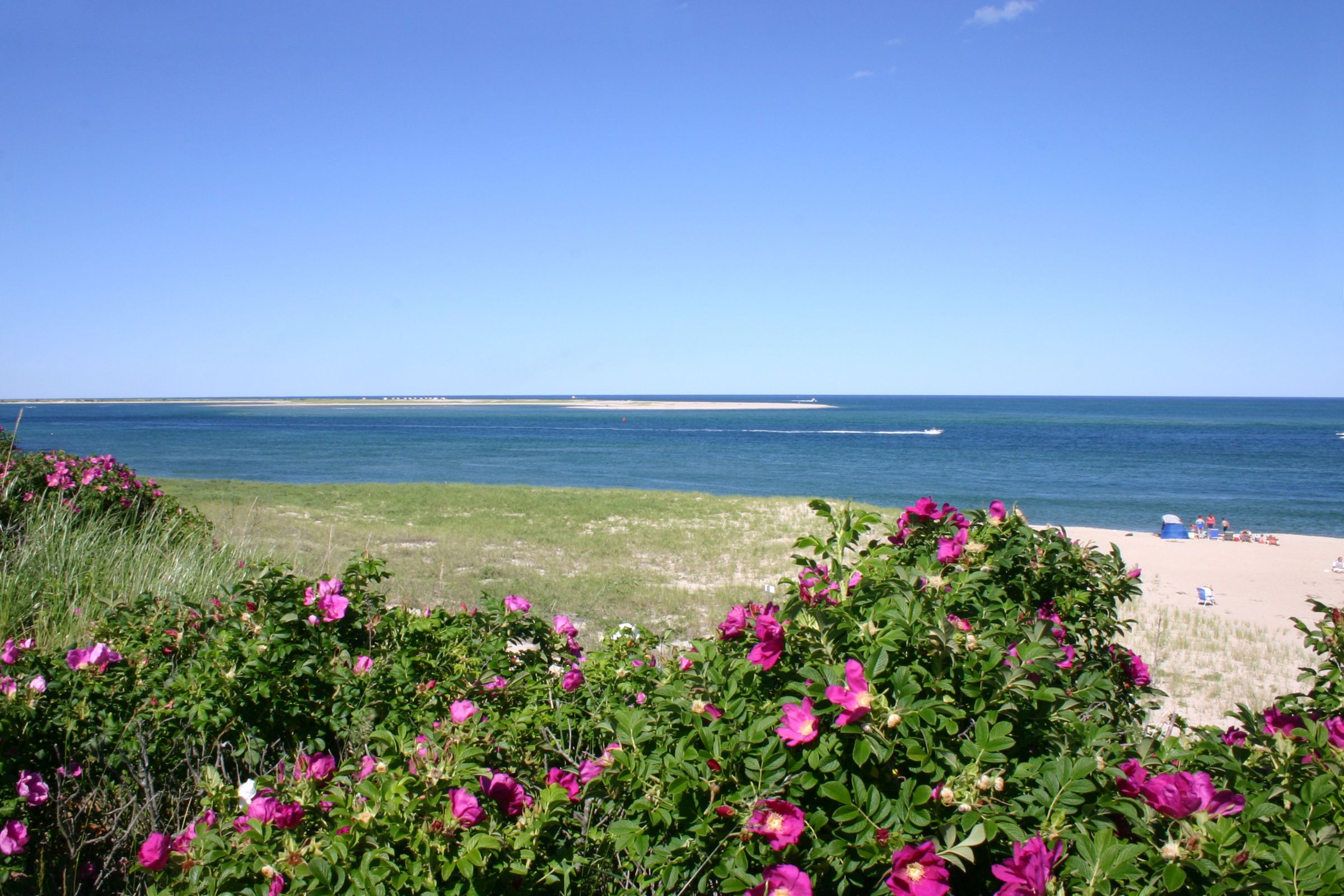
Chatham’s coastal location creates a landscape environment that is very different from many inland communities. Wetlands, marshes, coastal banks, dunes, ponds, and flood-prone areas are found throughout town and often exist much closer to homes than property owners realize.
As a result, certain landscape projects may require additional review depending on their location and scope.
For homeowners, this does not mean landscape improvements are impossible. Rather, it highlights the importance of understanding site conditions before finalizing plans or beginning construction.
Many successful projects begin with thoughtful landscape design that accounts for both the property’s goals and environmental considerations from the start.
Understanding Wetlands and Buffer Areas in Chatham
Like many Cape Cod communities, Chatham regulates activities near certain protected resource areas.
The town identifies various protected environmental resources and establishes review areas around them. In some situations, properties located near wetlands, coastal banks, marshes, streams, or other resource areas may be subject to additional conservation review before work begins.
For homeowners, the key takeaway is simple:
If your property is located near water, wetlands, marshland, or coastal features, it is worth investigating potential restrictions before planning major landscape changes.
Early planning often helps homeowners avoid unnecessary delays later in the process.
Common Landscape Projects That May Require Review
Many landscaping projects seem straightforward but can potentially trigger conservation review depending on where they are located.
Examples may include:
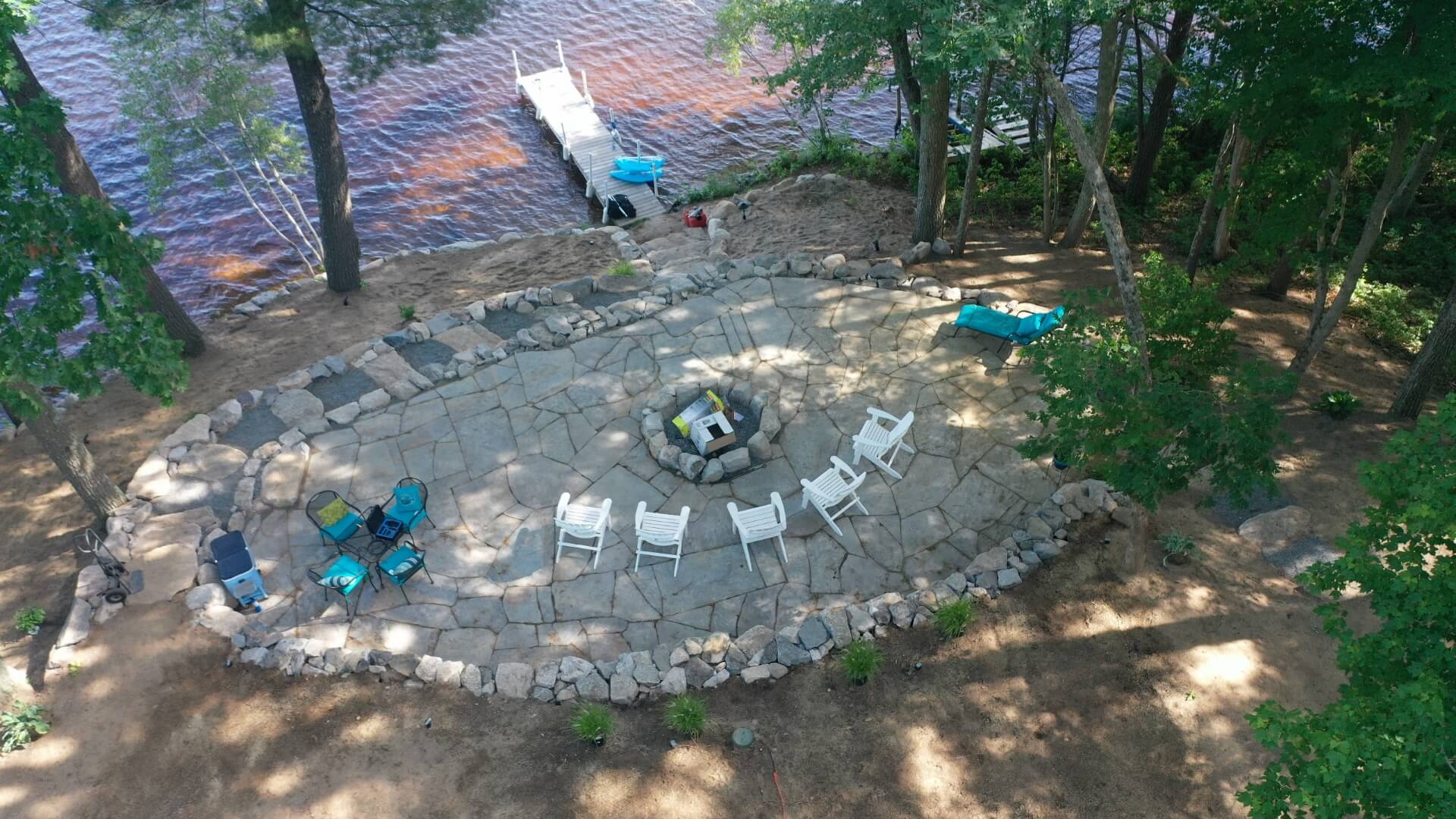
- New patios and outdoor living spaces
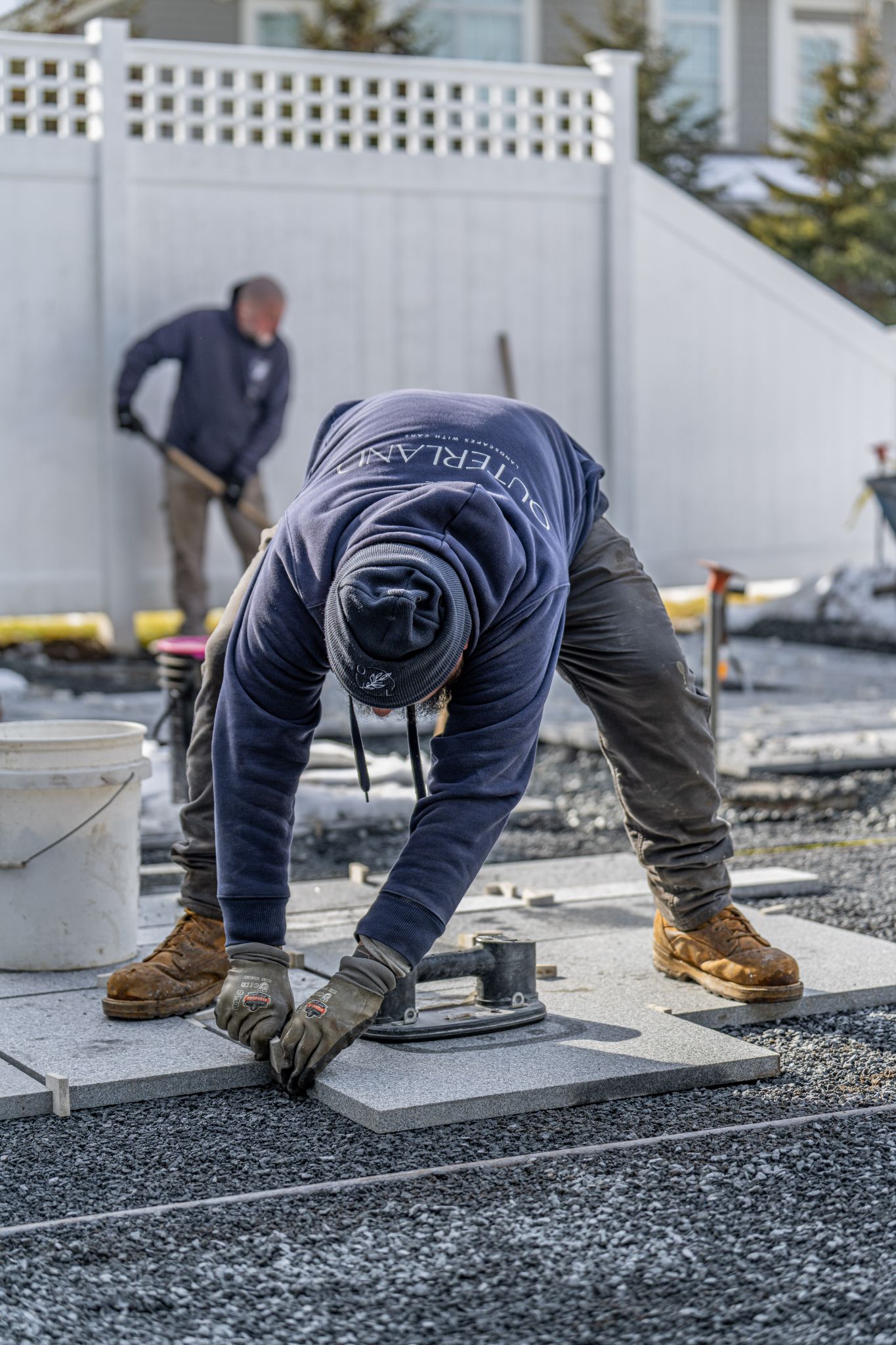
- Walkways and hardscape improvements
- Retaining walls
- Tree removal
- Drainage improvements
- Grading or changes to site elevations
- Expanded lawn areas
- New planting projects
The location of the project is often just as important as the project itself.
Because Chatham contains many environmentally sensitive areas, homeowners should avoid making assumptions based solely on neighboring properties or previous projects completed elsewhere.
Coastal Conditions Matter Too
Regulations are only one piece of the puzzle.
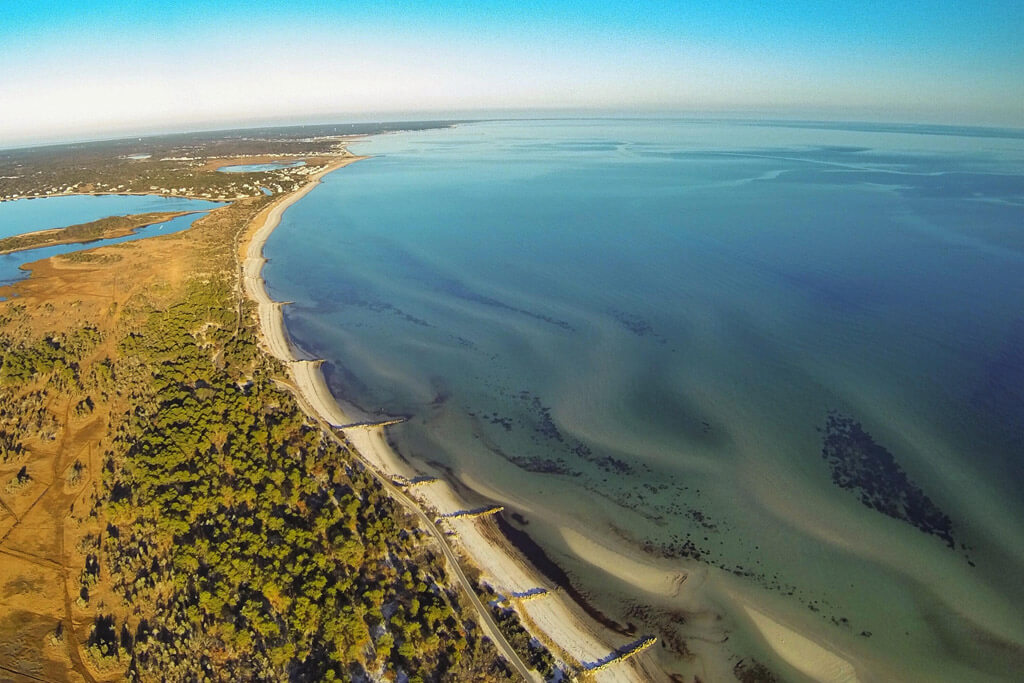
Chatham landscapes must also withstand:
- Salt spray
- Coastal winds
- Sandy soils
- Stormwater challenges
- Seasonal weather extremes
These environmental factors often influence plant selection, drainage planning, and long-term maintenance requirements.
Homeowners who invest in proper planning from the beginning typically see better long-term performance and fewer costly adjustments later.
This is one reason many property owners combine project planning with ongoing landscape maintenance services that help landscapes adapt to changing coastal conditions over time.
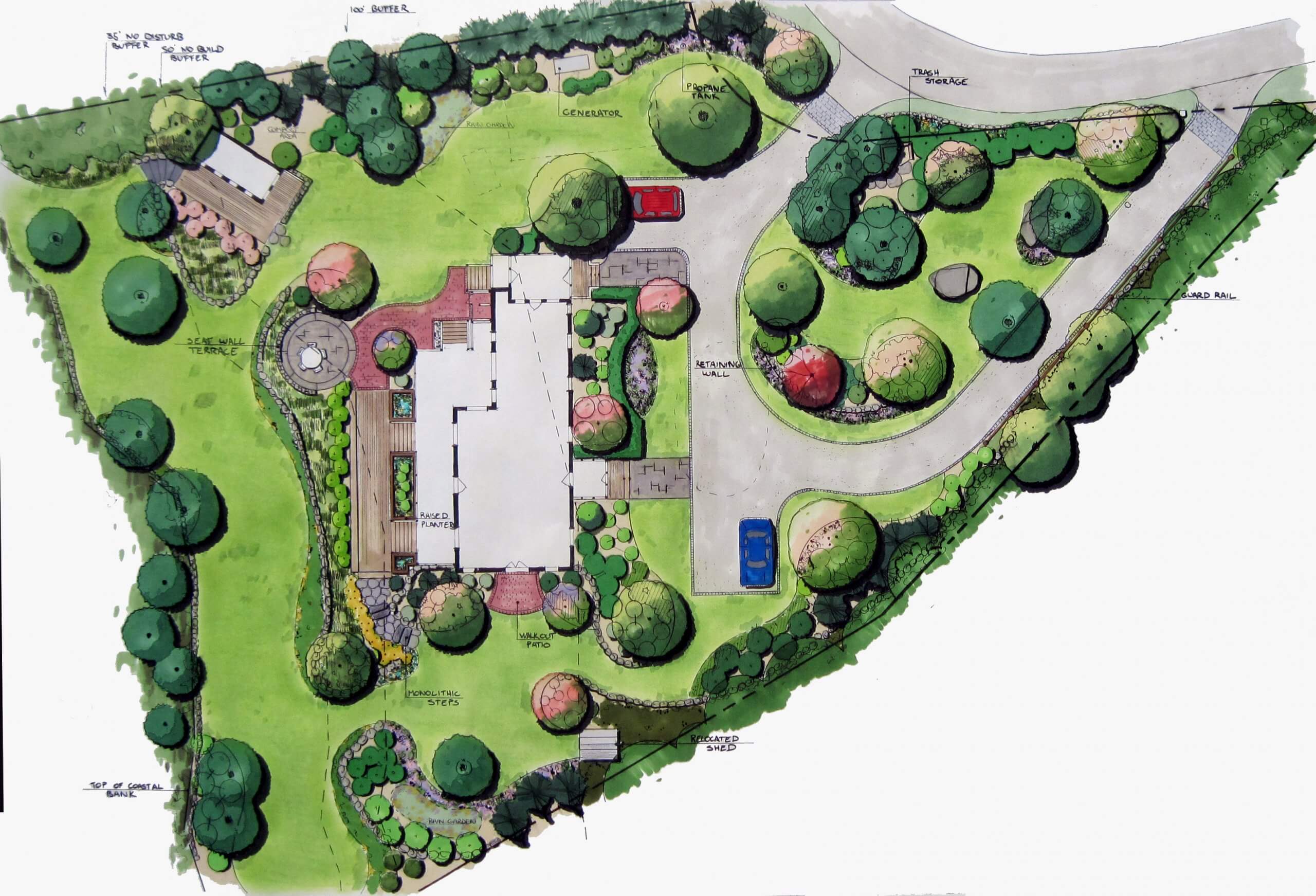
Planning Ahead Can Save Time and Frustration
One of the most common mistakes homeowners make is waiting until construction is ready to begin before evaluating potential site restrictions.
By investigating site conditions early, homeowners can:
- Reduce permitting surprises
- Improve project timelines
- Coordinate design and installation more efficiently
- Avoid unnecessary redesign costs
- Better protect existing landscape investments
Whether the project involves a new garden, expanded outdoor living area, or larger property improvement, proactive planning generally leads to smoother outcomes.
Working With Professionals Familiar With Chatham
Every town on Cape Cod has its own landscape challenges. Chatham’s combination of coastal exposure, sensitive environmental areas, and unique property conditions makes local experience particularly valuable.
Professionals who regularly work in Chatham understand how environmental considerations, property goals, and practical landscape solutions can work together.
Homeowners often complement new projects with ongoing gardening services and seasonal maintenance programs to help preserve the long-term health and appearance of their landscapes.
Navigating Regulations Doesn’t Have to Be Overwhelming
Landscape regulations and environmental considerations can feel complicated, especially for homeowners planning improvements near wetlands or coastal areas. The good news is that most successful projects begin with the same first step: understanding the property and asking the right questions early.
Outerland works with homeowners throughout Chatham to help evaluate opportunities, identify potential considerations, and create thoughtful landscape plans tailored to the property.
Contact our team to discuss your landscape goals and learn how local expertise can help guide your project from concept to completion.
Frequently Asked Questions
No. Requirements vary depending on project location, environmental conditions, and the scope of work being proposed.
Possibly. Projects located near regulated resource areas may require review. Property-specific guidance should be obtained from the Chatham Conservation Commission.
Wetlands help protect water quality, manage stormwater, and support local ecosystems. Projects near wetlands may be subject to additional review.
In some cases, yes. Changes to drainage patterns may receive additional review depending on the property’s location and environmental conditions.
Understanding site conditions, identifying nearby environmental resources, and consulting appropriate local authorities can help prevent delays later in the process.
Experienced professionals can help evaluate site conditions, identify potential constraints, and develop plans that align with both homeowner goals and local environmental considerations.